Can Diamond Polishing Fluid be used on lead surfaces?
As a supplier of Diamond Polishing Fluid, I often receive inquiries from customers about the compatibility of our products with different materials. One question that frequently comes up is whether diamond polishing fluid can be used on lead surfaces. In this blog post, I will delve into this topic, exploring the properties of lead and diamond polishing fluid, and providing insights based on scientific knowledge and practical experience.
Properties of Lead
Lead is a soft, malleable, and ductile metal with a relatively low melting point. It has been used for various applications throughout history, including in plumbing, batteries, and radiation shielding. Its softness makes it prone to scratching and deformation, which can affect its appearance and functionality. When it comes to polishing lead, the goal is to achieve a smooth and shiny surface while minimizing damage to the metal.
Properties of Diamond Polishing Fluid
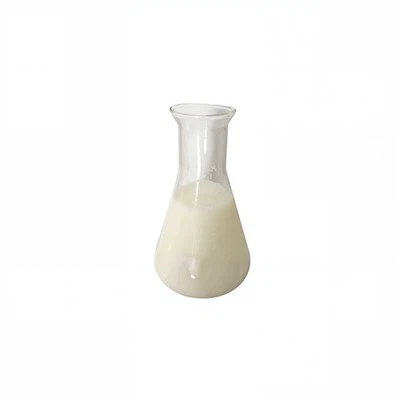
Diamond polishing fluid is a high-performance abrasive compound that contains diamond particles suspended in a liquid medium. The diamond particles are extremely hard, with a Mohs hardness of 10, making them one of the hardest substances known. This hardness allows diamond polishing fluid to effectively remove surface imperfections and achieve a high level of surface finish. The liquid medium in the polishing fluid serves to lubricate the surface, reduce friction, and prevent the diamond particles from clogging.
Compatibility of Diamond Polishing Fluid with Lead Surfaces
The question of whether diamond polishing fluid can be used on lead surfaces is not a straightforward one. On one hand, the hardness of diamond particles makes them capable of removing scratches and other surface imperfections on lead. However, the softness of lead also means that it can be easily damaged by the abrasive action of the diamond particles. If the diamond particles are too large or the polishing pressure is too high, they can cause deep scratches and gouges on the lead surface, which may be difficult to repair.
To determine whether diamond polishing fluid is suitable for a particular lead surface, several factors need to be considered:
- Surface condition: If the lead surface has deep scratches or other significant damage, it may be necessary to use a coarser abrasive first to remove the major imperfections before using diamond polishing fluid. This can help prevent the diamond particles from getting clogged with large debris and ensure a more effective polishing process.
- Diamond particle size: The size of the diamond particles in the polishing fluid is an important factor to consider. For lead surfaces, it is generally recommended to use a fine-grained diamond polishing fluid with a particle size of 1-3 microns. This can help minimize the risk of scratching the lead surface while still achieving a smooth and shiny finish.
- Polishing pressure and speed: The pressure and speed at which the polishing is performed also play a crucial role in determining the outcome. When polishing lead surfaces, it is important to use a light touch and a slow speed to avoid causing excessive damage. Applying too much pressure or using a high speed can result in overheating and deformation of the lead.
- Lubrication: Proper lubrication is essential when using diamond polishing fluid on lead surfaces. The liquid medium in the polishing fluid helps to reduce friction and prevent the diamond particles from sticking to the lead surface. It is important to ensure that the surface is well-lubricated throughout the polishing process to achieve the best results.
Practical Considerations
In addition to the technical aspects, there are also some practical considerations when using diamond polishing fluid on lead surfaces. For example, lead is a toxic metal, and proper safety precautions should be taken when handling and polishing lead objects. This includes wearing protective gloves, goggles, and a respirator to avoid inhaling lead dust.
Another practical consideration is the cost of using diamond polishing fluid. Diamond is an expensive material, and the cost of diamond polishing fluid can be relatively high compared to other types of polishing compounds. However, the high performance and long-lasting nature of diamond polishing fluid can make it a cost-effective choice in the long run, especially for applications where a high level of surface finish is required.
Alternatives to Diamond Polishing Fluid
If diamond polishing fluid is not suitable for a particular lead surface, there are several alternatives that can be considered. One option is to use a Lapping Medium Grinding Fluid, which contains a less abrasive material such as silicon carbide or aluminum oxide. These materials are softer than diamond and can be used to achieve a smooth surface finish on lead without causing excessive damage.
Another alternative is to use a Glass Polishing Fluid, which is specifically designed for polishing glass surfaces. While glass polishing fluid may not be as effective as diamond polishing fluid for removing deep scratches on lead, it can be used to achieve a high level of surface shine and smoothness.


Conclusion
In conclusion, while diamond polishing fluid can be used on lead surfaces, it is important to approach the process with caution. The softness of lead makes it vulnerable to damage, and proper care must be taken to ensure that the diamond particles do not cause excessive scratching or gouging. By considering the surface condition, diamond particle size, polishing pressure and speed, and lubrication, it is possible to achieve a smooth and shiny finish on lead surfaces using diamond polishing fluid.
If you have any questions or need further information about using diamond polishing fluid on lead surfaces, please do not hesitate to contact us. Our team of experts is available to provide you with personalized advice and support to help you achieve the best results. Whether you are a professional jeweler, a metalworker, or a hobbyist, we are committed to providing you with high-quality products and excellent customer service.
References
- Callister, W. D., & Rethwisch, D. G. (2011). Materials Science and Engineering: An Introduction. Wiley.
- Shackelford, J. F. (2008). Introduction to Materials Science for Engineers. Pearson Prentice Hall.