



Abrasive Compounds
Industrial Abrasive Compounds and Surface Finishing Chemical Solutions
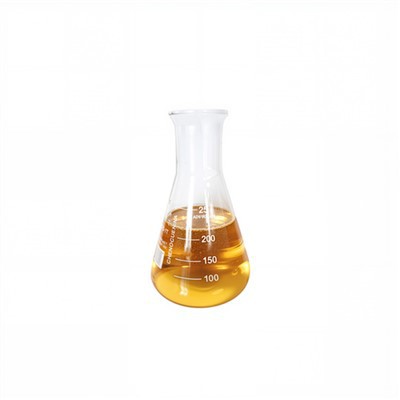
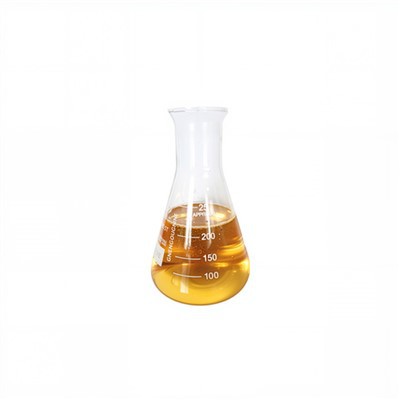
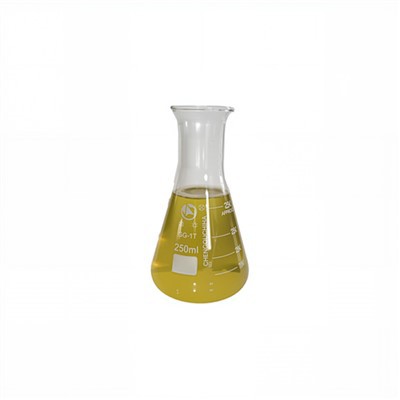
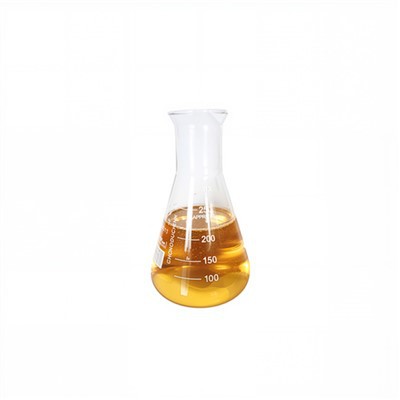
Industrial chemical formulas and liquid compounds designed to speed up metal removal, control friction, stop rust, and clean metal parts during mass finishing. These formulas work with abrasive stones and finishing machines to remove oils, suspend metal particles, and improve surface texture without changing part shape. Built for high-volume manufacturing lines that require stable chemical performance and predictable surface results.



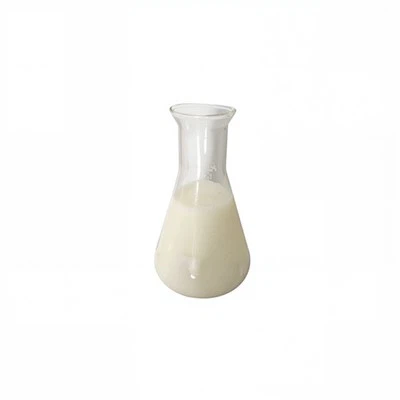
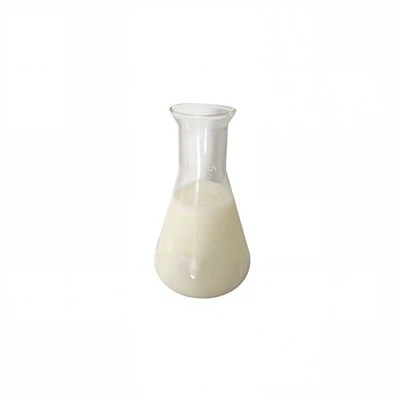

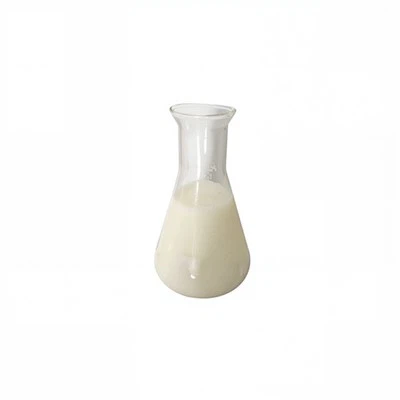

Complete Product Range for Metal Surface Finishing
Grinding Polishing Machines
Centrifugal Barrel Finishing Machines: High-speed rotational systems for fast deburring and heavy material removal on small precision parts.
Vibratory Finishing Machines: U-shaped and rectangular chambers using three-dimensional motion for general deburring, descaling, and pre-plating preparation.
Magnetic Polishing Machines: Uses magnetic fields to drive micro stainless steel pins into deep internal holes and threads without geometric damage.
Drag Polishing Machines: High-speed orbital equipment holding parts securely while moving them through dense media beds for high-grade mirror finishes.
Abrasive Media
Ceramic Media: High-density cutting stones available in triangles, cylinders, and cones for heavy stock removal on steel and stainless steel.
Plastic Resin Media: Low-impact abrasive stones mixed with aluminum oxide or silicon carbide to prevent edge chipping on softer metals like aluminum and brass.
Stainless Steel Pins and Shapes: Magnetic and mechanical burnishing media that provide high impact density to harden surfaces and create mirror finishes.
Vegetable and Walnut Shell Media: Organic drying and polishing media used for final oil absorption, degreasing, and scratch-free cleaning.
Integrated Grinding and Polishing Process
Chemical Cleaning and Oil Breakdown
Adding active alkaline compounds to break down heavy machining oils, coolants, and organic contaminants before media contact.
Mechanical Cutting and Deburring
Adding cutting compounds with ceramic media to speed up burr removal, round sharp edges, and maintain stable fluid thickness.
Surface Smoothing and Burnishing
Applying fine lubricating compounds to reduce friction, cushion metal impact, and lower surface roughness.
Final Rinsing and Rust Inhibition
Flushing with neutralizing and rust-inhibiting solutions to stop chemical reactions, remove residues, and prevent flash rust.

Automotive and Aerospace: Precision gears, hydraulic valve blocks, turbine blades, and fuel injection parts requiring clean, residue-free surfaces.
Medical Devices: Surgical tools, artificial joints, and titanium bone plates requiring strict biological cleanliness and zero chemical residue.
Bathroom and Architectural Hardware: Brass faucets, stainless steel floor drains, and door handles requiring smooth surface preparation before plating.
Electronics and Enclosures: Aluminum boxes, connector pins, and stamped brackets requiring clean finishes and protected conductive properties.
Customized Grinding and Polishing Solutions
Chemical Compatibility Trials
Laboratory tests evaluating client metal samples against various compound formulas to find the best pH, concentration, and foam control limits.
Concentration Optimization
Engineering support for automated dosing systems to keep exact compound-to-water ratios steady during multi-shift production.
Wastewater Compliance Formulation
Custom adjustments to chemical agents to match local effluent discharge standards and treatment plant requirements.
Quality Control and Process Verification
pH and Viscosity Testing
Lab refractometers and pH meters to verify that every production batch maintains strict chemical consistency.
Corrosion Resistance Testing
Salt spray and humidity cabinet tests to confirm that treated metal surfaces meet required rust prevention standards.
Active Ingredient Assay
Titration tests to measure active chemical ingredients and ensure consistent cutting and cleaning performance across batches.
Residue and Cleanliness Inspection
Surface tension and microscopic checks to ensure parts remain free of chemical films that affect later plating or welding.
Certifications & Patents


FAQ