Can Lapping Rough Grinding Fluid be reused?
As a supplier of Lapping Rough Grinding Fluid, I often encounter questions from customers about the reusability of this product. In this blog, I will delve into the topic of whether lapping rough grinding fluid can be reused, considering various aspects such as cost - effectiveness, performance, and environmental impact.
Cost - Effectiveness
One of the primary reasons why the reusability of lapping rough grinding fluid is a significant consideration is cost. Lapping rough grinding fluid can be a substantial expense for manufacturers, especially those in high - volume production. Reusing the fluid can potentially lead to significant cost savings.
When lapping rough grinding fluid is used in the lapping process, it gradually accumulates debris and contaminants from the grinding operation. However, if proper filtration and purification methods are employed, a large portion of these contaminants can be removed. For example, using a high - efficiency filtration system can separate out large particles of metal or abrasive debris. Once the fluid is cleaned, it can be reused in subsequent lapping operations.
By reusing the fluid, companies can reduce their purchasing costs. Instead of constantly buying new batches of lapping rough grinding fluid, they can extend the lifespan of the existing fluid. This not only saves money on the purchase of new fluid but also reduces the cost associated with waste disposal.
Performance Considerations
While cost - effectiveness is an important factor, the performance of the lapping rough grinding fluid during reuse cannot be overlooked. Over time, the chemical composition of the fluid may change due to the accumulation of contaminants and the breakdown of additives. These changes can affect the fluid's ability to lubricate, cool, and carry away debris during the lapping process.
For instance, if the fluid loses its lubricating properties, it can lead to increased friction between the lapping tool and the workpiece. This can result in a poor surface finish, increased wear on the lapping tool, and potentially damage to the workpiece. Additionally, the cooling ability of the fluid may be compromised, which can cause overheating during the grinding process and affect the quality of the final product.
To ensure consistent performance during reuse, it is crucial to monitor the properties of the lapping rough grinding fluid regularly. Parameters such as viscosity, pH, and the concentration of additives should be checked. If necessary, additives can be replenished to restore the fluid's performance to an acceptable level.
Environmental Impact
In today's environmentally conscious world, the reusability of lapping rough grinding fluid also has significant environmental implications. Disposing of used lapping fluid can be a major environmental concern, as it may contain harmful chemicals and heavy metals. By reusing the fluid, we can reduce the amount of waste that needs to be disposed of, thereby minimizing the environmental impact.
Moreover, the production of new lapping rough grinding fluid requires energy and resources. Reusing the fluid helps to conserve these resources and reduce the carbon footprint associated with the manufacturing process. This is in line with the growing trend of sustainable manufacturing practices.
Reuse Methods
There are several methods that can be employed to reuse lapping rough grinding fluid. The most common approach is filtration. Filtration systems can range from simple mechanical filters to more advanced membrane filters. Mechanical filters are effective at removing large particles, while membrane filters can remove smaller particles and even some dissolved contaminants.
Another method is centrifugation. Centrifuges can separate the solid particles from the fluid by using centrifugal force. This is particularly useful for removing heavy particles that may settle at the bottom of the fluid tank.
In addition to physical separation methods, chemical treatment can also be used to purify the fluid. Chemical additives can be used to neutralize acids or bases, precipitate contaminants, or break down organic matter.
Comparison with Other Grinding Fluids
It is also interesting to compare the reusability of lapping rough grinding fluid with other types of grinding fluids, such as Glass Polishing Fluid and Lapping Medium Grinding Fluid.
Glass polishing fluid is typically used for fine - finishing operations on glass surfaces. It often contains different additives and has a different chemical composition compared to lapping rough grinding fluid. While it may also be possible to reuse glass polishing fluid, the contaminants and the requirements for reuse may be different. For example, glass polishing fluid may be more sensitive to changes in pH and the presence of certain contaminants, which can affect the optical properties of the glass.

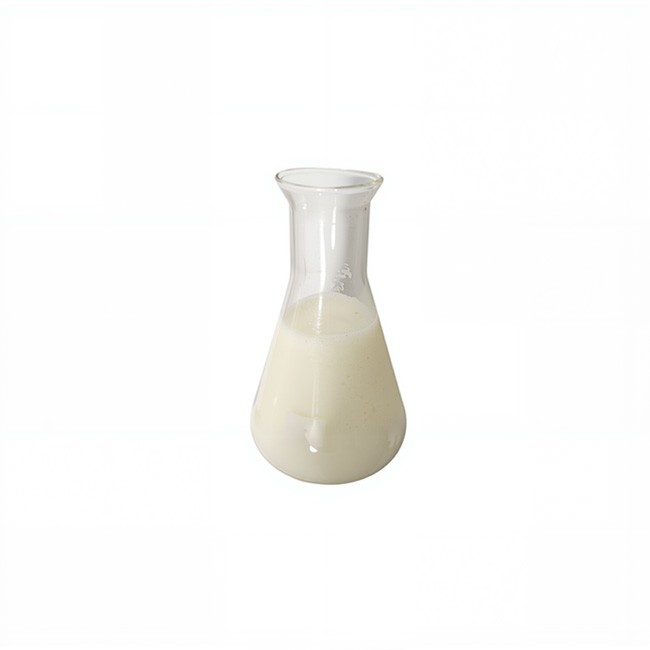
Lapping medium grinding fluid is used for intermediate grinding operations. It has properties that are between those of lapping rough grinding fluid and glass polishing fluid. Similar to lapping rough grinding fluid, it can potentially be reused with proper treatment. However, the specific methods and requirements for reuse may vary depending on the application and the type of contaminants present.
Conclusion
In conclusion, lapping rough grinding fluid can be reused, but it requires careful consideration and proper treatment. Reusing the fluid can offer significant cost savings, reduce environmental impact, and contribute to sustainable manufacturing practices. However, it is essential to monitor the fluid's performance and properties during reuse to ensure consistent quality.
If you are interested in learning more about our Lapping Rough Grinding Fluid or have any questions regarding its reusability, we encourage you to contact us for further discussion and potential procurement. We are committed to providing high - quality products and solutions to meet your grinding needs.
References
- Smith, J. (2018). "Advances in Grinding Fluid Technology". Journal of Manufacturing Processes.
- Johnson, A. (2019). "Sustainable Manufacturing Practices in the Grinding Industry". International Journal of Sustainable Engineering.
- Brown, C. (2020). "Filtration and Purification of Grinding Fluids". Proceedings of the International Conference on Grinding Technology.