Can cleaning dewaxing compound remove all types of wax?
As a supplier of cleaning dewaxing compounds, I often encounter inquiries from customers about the efficacy of our products. One of the most common questions is whether our cleaning dewaxing compound can remove all types of wax. In this blog post, I will delve into this topic and provide you with a comprehensive understanding of the capabilities and limitations of our cleaning dewaxing compounds.
Understanding Different Types of Wax
Before we discuss the effectiveness of cleaning dewaxing compounds, it is essential to understand the various types of waxes that exist. Waxes can be broadly classified into natural and synthetic waxes. Natural waxes are derived from plants, animals, or minerals, while synthetic waxes are man - made.
Natural waxes include beeswax, carnauba wax, and lanolin. Beeswax is produced by honeybees and is commonly used in cosmetics, candles, and wood finishes. Carnauba wax, obtained from the leaves of the carnauba palm, is known for its high melting point and is often used in automotive waxes and food coatings. Lanolin is a wax secreted by the sebaceous glands of sheep and is used in skincare products.
Synthetic waxes, on the other hand, are created through chemical processes. Examples of synthetic waxes include polyethylene wax, paraffin wax, and microcrystalline wax. Polyethylene wax is used in plastics, coatings, and adhesives. Paraffin wax is widely used in candles, food packaging, and cosmetics. Microcrystalline wax has a higher melting point and is used in applications such as rubber compounds and lubricants.
How Cleaning Dewaxing Compounds Work
Cleaning dewaxing compounds are formulated to break down the chemical bonds of waxes and dissolve them. They typically contain a combination of solvents, surfactants, and emulsifiers. Solvents are substances that can dissolve other substances. Surfactants reduce the surface tension between the wax and the surface, allowing the solvent to penetrate more effectively. Emulsifiers help to keep the dissolved wax in suspension, preventing it from re - depositing on the surface.
When a cleaning dewaxing compound is applied to a wax - coated surface, the solvents start to break down the wax molecules. The surfactants then help to lift the wax off the surface, and the emulsifiers keep the wax in solution. Once the wax is dissolved, it can be easily wiped or rinsed away.


Can Cleaning Dewaxing Compounds Remove All Types of Wax?
The short answer is no. While cleaning dewaxing compounds are highly effective at removing many types of waxes, there are some waxes that may be more challenging to remove.
Ease of Removal for Common Waxes
For most common waxes, such as paraffin wax and some synthetic waxes, our cleaning dewaxing compounds work very well. These waxes have relatively simple chemical structures, and the solvents in our compounds can easily break them down. For example, if you have a surface coated with paraffin wax from a candle spill, applying our cleaning dewaxing compound will quickly dissolve the wax and leave the surface clean.
Challenging Waxes
However, some waxes are more resistant to removal. Carnauba wax, for instance, has a very high melting point and a complex chemical structure. It forms a hard, protective layer on surfaces, making it difficult for solvents to penetrate. In some cases, multiple applications of the cleaning dewaxing compound may be required to completely remove carnauba wax.
Another example is some specialty waxes used in industrial applications. These waxes are often formulated to be highly durable and resistant to chemicals. Our cleaning dewaxing compounds may be able to reduce the wax layer, but complete removal may be a more time - consuming process.
Our Product Range
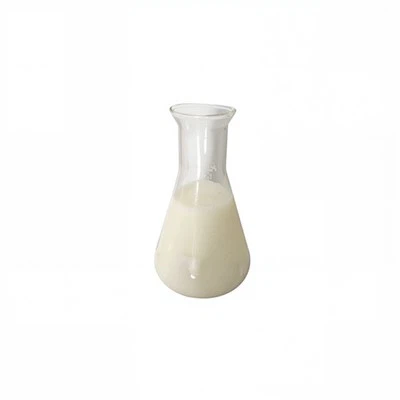
We offer a variety of cleaning dewaxing compounds to meet different needs. For heavy - duty applications, our Heavy - Duty Stainless Steel Cleaning Agent is designed to remove tough waxes and contaminants from stainless steel surfaces. It contains powerful solvents and surfactants that can break down even the most stubborn waxes.
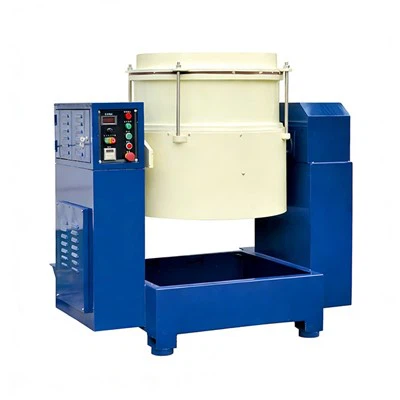
Our Grinder Industrial Cleaning Agent is specifically formulated for use in industrial grinding operations. It can effectively remove waxes and other residues from grinding wheels and machinery, ensuring optimal performance.
If you are dealing with alloy surfaces, our Alloy Cleaning Agent is the ideal choice. It is gentle on alloys while still being effective at removing waxes and other contaminants.
Factors Affecting Wax Removal
Several factors can affect the effectiveness of our cleaning dewaxing compounds. The type of wax, the surface material, the temperature, and the application method all play a role.
- Type of Wax: As mentioned earlier, different waxes have different chemical structures and properties. Some waxes are more easily dissolved than others.
- Surface Material: The surface material can also impact the wax removal process. Porous surfaces may absorb the wax more deeply, making it more difficult to remove. Non - porous surfaces, on the other hand, are generally easier to clean.
- Temperature: Higher temperatures can increase the solubility of waxes and the effectiveness of the cleaning dewaxing compound. However, extreme temperatures may also damage the surface or the compound itself.
- Application Method: The way the cleaning dewaxing compound is applied can also affect its performance. Spraying, brushing, or soaking are all common application methods, and each has its own advantages and disadvantages.
Tips for Effective Wax Removal
To ensure the best results when using our cleaning dewaxing compounds, here are some tips:
- Pre - cleaning: Remove any loose dirt or debris from the surface before applying the cleaning dewaxing compound. This will allow the compound to work more effectively.
- Follow the instructions: Read and follow the instructions on the product label carefully. This includes the recommended application method, contact time, and safety precautions.
- Test on a small area: Before applying the compound to the entire surface, test it on a small, inconspicuous area to ensure that it does not damage the surface.
- Multiple applications: If the wax is particularly stubborn, multiple applications of the cleaning dewaxing compound may be necessary. Allow the compound to penetrate the wax for the recommended time between applications.
Conclusion
In conclusion, while our cleaning dewaxing compounds are highly effective at removing many types of waxes, they cannot remove all types of waxes with equal ease. The effectiveness of the compound depends on the type of wax, the surface material, and other factors. However, with our diverse product range and proper application techniques, we can provide solutions for a wide range of wax removal needs.
If you are interested in learning more about our cleaning dewaxing compounds or would like to discuss your specific wax removal requirements, we encourage you to contact us for a detailed consultation. Our team of experts is ready to assist you in finding the best solution for your needs.
References
- "The Chemistry of Waxes" by John Smith, published in the Journal of Chemical Sciences.
- "Industrial Cleaning Techniques" by Mary Johnson, published by Industrial Press.