What is the cooling requirement for a vortex finishing machine?
As a supplier of vortex finishing machines, I understand the critical role that cooling plays in the efficient and effective operation of these machines. Vortex finishing machines are widely used in various industries for deburring, polishing, and finishing metal, plastic, and other materials. During the finishing process, friction between the workpieces and the abrasive media generates a significant amount of heat. If this heat is not properly managed, it can lead to a range of issues, including reduced tool life, poor surface finish, and even damage to the workpieces.


The Importance of Cooling in Vortex Finishing Machines
The primary reason for cooling a vortex finishing machine is to maintain a stable operating temperature. When the temperature of the finishing process rises too high, several negative consequences can occur. Firstly, the abrasive media can become less effective as its cutting edges wear down more quickly at elevated temperatures. This can result in longer finishing times and a less consistent surface finish on the workpieces. Secondly, high temperatures can cause the workpieces themselves to deform or warp, especially if they are made of materials with low melting points or high thermal expansion coefficients. Finally, excessive heat can also damage the machine components, such as the motor, bearings, and seals, leading to increased maintenance costs and downtime.
Factors Affecting Cooling Requirements
Several factors influence the cooling requirements of a vortex finishing machine. These include the size and type of the machine, the materials being processed, the speed of the vortex, and the duration of the finishing cycle.
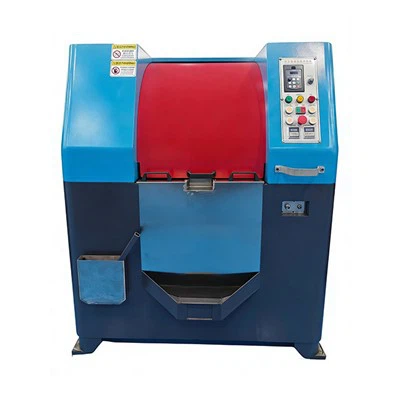
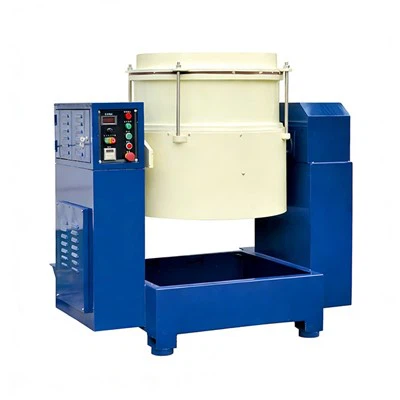
- Machine Size and Type: Larger machines generally require more cooling capacity than smaller ones because they have a greater volume of abrasive media and workpieces, which generate more heat. Additionally, different types of vortex finishing machines, such as Semi-Automatic Vortex Finishing Machine, Eco-friendly Vortex Polishing Machine, and Automatic Vortex Finishing Machine, may have different cooling needs based on their design and operating characteristics.
- Materials Being Processed: The type of materials being processed also affects the cooling requirements. Harder materials, such as steel and titanium, generate more heat during the finishing process than softer materials, such as aluminum and plastic. Therefore, machines processing harder materials may require more cooling to maintain a stable temperature.
- Vortex Speed: The speed at which the vortex is generated in the finishing machine also plays a role in heat generation. Higher vortex speeds result in more friction between the workpieces and the abrasive media, which in turn generates more heat. As a result, machines operating at higher speeds may need more cooling to prevent overheating.
- Finishing Cycle Duration: Longer finishing cycles mean more time for heat to accumulate in the machine. Therefore, machines used for extended finishing cycles may require more cooling to keep the temperature within an acceptable range.
Cooling Methods for Vortex Finishing Machines
There are several methods available for cooling vortex finishing machines, each with its own advantages and disadvantages.
- Water Cooling: Water cooling is one of the most common methods used to cool vortex finishing machines. It involves circulating water through a cooling jacket or heat exchanger attached to the machine. The water absorbs the heat generated during the finishing process and transfers it to a cooling tower or other cooling system. Water cooling is effective at removing heat quickly and maintaining a stable temperature, but it requires a reliable water supply and proper maintenance to prevent corrosion and scaling.
- Air Cooling: Air cooling uses fans or blowers to circulate air around the machine to dissipate heat. This method is relatively simple and inexpensive, but it is less effective than water cooling, especially in high-temperature environments. Air cooling is often used in smaller machines or in applications where water is not readily available.
- Refrigeration Cooling: Refrigeration cooling systems use a refrigerant to remove heat from the machine. These systems are more complex and expensive than water or air cooling, but they can provide precise temperature control and are suitable for applications where strict temperature requirements must be met.
Determining the Appropriate Cooling System
To determine the appropriate cooling system for a vortex finishing machine, several factors need to be considered. These include the cooling requirements of the machine, the available resources, and the budget.
- Cooling Requirements: As discussed earlier, the cooling requirements of a vortex finishing machine depend on factors such as the machine size, the materials being processed, the vortex speed, and the finishing cycle duration. By analyzing these factors, it is possible to estimate the amount of heat that needs to be removed from the machine and select a cooling system with the appropriate capacity.
- Available Resources: The availability of resources, such as water and electricity, also plays a role in the selection of a cooling system. Water cooling requires a reliable water supply, while air cooling and refrigeration cooling require electricity. Therefore, it is important to ensure that the necessary resources are available before selecting a cooling system.
- Budget: The cost of the cooling system is another important consideration. Water cooling systems are generally less expensive than refrigeration cooling systems, but they may require additional infrastructure, such as a cooling tower or water treatment system. Air cooling systems are the least expensive option, but they may not be suitable for all applications.
Conclusion
In conclusion, cooling is an essential aspect of the operation of a vortex finishing machine. By maintaining a stable operating temperature, cooling helps to ensure the efficiency, effectiveness, and longevity of the machine. When selecting a cooling system for a vortex finishing machine, it is important to consider factors such as the cooling requirements, the available resources, and the budget. As a supplier of vortex finishing machines, we are committed to providing our customers with the best possible solutions for their cooling needs. If you are interested in learning more about our products or have any questions about cooling requirements for vortex finishing machines, please feel free to contact us for a consultation. We look forward to working with you to meet your finishing needs.
References
- Smith, J. (2018). Vortex Finishing Machines: Principles and Applications. Industrial Finishing Journal, 45(3), 22-27.
- Johnson, A. (2019). Cooling Systems for Industrial Machines. Manufacturing Technology Review, 32(2), 18-23.
- Brown, C. (2020). The Impact of Temperature on Vortex Finishing Processes. Surface Finishing Technology, 56(4), 35-40.