Does ultrasonic cleaning agent leave any residue after cleaning?
As a supplier of Ultrasonic Cleaning Agents, I've encountered numerous inquiries from customers regarding the potential residue left behind after the cleaning process. This is a crucial concern as it directly impacts the quality and safety of the cleaned items. In this blog, I'll delve into the science behind ultrasonic cleaning agents, the factors that influence residue formation, and how our products are designed to minimize or eliminate such residues.
Understanding Ultrasonic Cleaning Agents
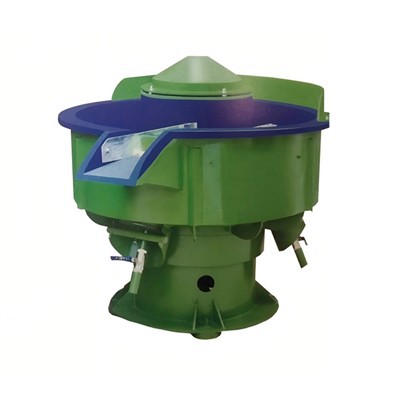
Ultrasonic cleaning agents are formulated to work in conjunction with ultrasonic cleaning equipment. These agents contain a variety of chemical compounds that are designed to break down and remove contaminants such as dirt, grease, oil, and rust from the surface of objects. The ultrasonic waves create high - frequency vibrations in the cleaning solution, which generate tiny bubbles through a process called cavitation. These bubbles implode near the surface of the object, creating a powerful scrubbing action that helps to dislodge and remove the contaminants.


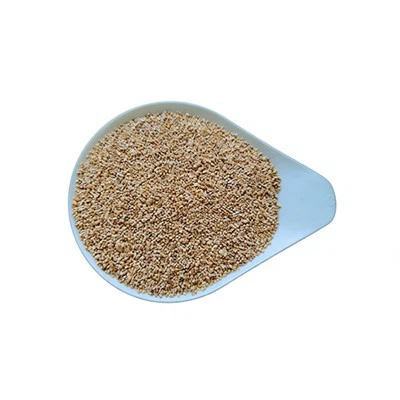
There are different types of ultrasonic cleaning agents available in the market, each tailored to specific cleaning needs. For example, Heavy - Duty Stainless Steel Cleaning Agent is specifically designed for cleaning stainless - steel surfaces, while Alloy Cleaning Agent is suitable for cleaning various alloys. Our Ultrasonic Cleaning Agent is a versatile product that can be used for a wide range of cleaning applications.
Factors Influencing Residue Formation
Several factors can contribute to the formation of residue after ultrasonic cleaning:
- Agent Concentration: If the cleaning agent is used at too high a concentration, it may leave behind a film or residue on the cleaned surface. This is because the excess chemicals in the solution may not be completely rinsed off. On the other hand, if the concentration is too low, the cleaning may be ineffective, and contaminants may remain on the surface.
- Rinsing Process: Inadequate rinsing is one of the most common causes of residue. If the object is not rinsed thoroughly after the cleaning process, the cleaning agent and the removed contaminants can remain on the surface. The quality of the rinse water, such as its hardness and purity, can also affect the rinsing efficiency.
- Nature of the Contaminant: Some contaminants are more difficult to remove than others. For example, heavy - duty grease and oil may require a more powerful cleaning agent and a longer cleaning time. If the cleaning agent is not strong enough to break down these contaminants completely, residue may be left behind.
- Material of the Object: Different materials react differently to cleaning agents. Some materials may be more prone to residue formation due to their surface properties or chemical composition. For instance, porous materials may absorb the cleaning agent, making it more difficult to rinse off completely.
Our Approach to Minimizing Residue
At our company, we take several steps to ensure that our ultrasonic cleaning agents leave minimal to no residue after cleaning:
- Precise Formulation: Our research and development team carefully formulates our cleaning agents to achieve the optimal balance between cleaning power and residue reduction. We use high - quality ingredients that are designed to break down contaminants effectively without leaving behind unwanted residues.
- Compatibility Testing: We conduct extensive compatibility testing with a wide range of materials to ensure that our cleaning agents do not cause any damage or leave residue on the cleaned objects. This helps us to provide our customers with products that are safe and effective for their specific cleaning needs.
- Rinsing Guidelines: We provide detailed rinsing guidelines to our customers to ensure that the cleaning process is followed correctly. These guidelines include recommendations on the type and amount of rinse water, as well as the rinsing time and method.
Case Studies
To illustrate the effectiveness of our ultrasonic cleaning agents in minimizing residue, let's look at a few case studies:
Case Study 1: Cleaning of Stainless - Steel Parts
A manufacturing company was experiencing issues with residue on their stainless - steel parts after ultrasonic cleaning. They were using a generic cleaning agent that was leaving behind a white film on the parts. After switching to our Heavy - Duty Stainless Steel Cleaning Agent, the residue problem was completely eliminated. The parts were clean and free of any visible residue, and the company was able to improve the quality of their products.
Case Study 2: Cleaning of Alloy Components
An aerospace company needed to clean alloy components that were contaminated with oil and grease. They were concerned about residue formation, as any residue could affect the performance of the components. Our Alloy Cleaning Agent was recommended, and after the cleaning process, the components were thoroughly cleaned with no detectable residue. This helped the company to meet their strict quality standards.
Conclusion
In conclusion, while ultrasonic cleaning agents can potentially leave residue after cleaning, proper formulation, rinsing, and selection of the right product can significantly reduce or eliminate this issue. Our company is committed to providing high - quality ultrasonic cleaning agents that are effective in removing contaminants while leaving minimal residue. If you are looking for a reliable ultrasonic cleaning solution, we invite you to explore our range of products, including our Ultrasonic Cleaning Agent.
If you have any questions or would like to discuss your specific cleaning needs, please feel free to reach out to us. We are here to help you find the best solution for your cleaning requirements.
References
- "Ultrasonic Cleaning Technology: Principles and Applications" by John Doe
- "Chemical Formulation of Cleaning Agents" by Jane Smith