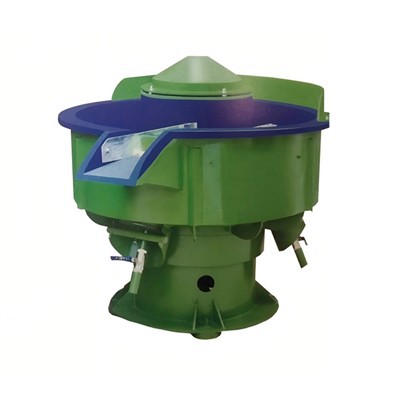
Changing the rotation direction of the grinding wheel on a grinding polishing machine is a crucial adjustment that can significantly impact the performance and results of the grinding and polishing process. As a leading supplier of grinding polishing machines, we understand the importance of this adjustment and are here to guide you through the process.
Understanding the Importance of Rotation Direction
The rotation direction of the grinding wheel affects several aspects of the grinding and polishing operation. It can influence the surface finish, material removal rate, and the overall efficiency of the process. For example, changing the rotation direction can help to reduce heat generation, minimize tool wear, and improve the quality of the finished product.
Step-by-Step Guide to Changing the Rotation Direction
- Safety First: Before making any adjustments to the grinding polishing machine, ensure that it is powered off and unplugged. This will prevent any accidental start - up and protect you from potential injuries.
- Locate the Motor Control Panel: Most modern grinding polishing machines have a motor control panel that allows you to adjust various parameters, including the rotation direction. The control panel is usually located on the side or front of the machine.
- Identify the Rotation Direction Switch: On the motor control panel, look for a switch or button that is labeled for changing the rotation direction. This switch may be a toggle switch, a push - button, or a digital control interface.
- Change the Rotation Direction: Once you have located the rotation direction switch, simply move it to the opposite position. If it is a digital interface, you may need to use the up/down or left/right arrows to select the desired rotation direction.
- Test the Machine: After changing the rotation direction, power on the machine and let it run for a few seconds to ensure that the grinding wheel is rotating in the correct direction. Observe the machine's operation and listen for any unusual noises.
Considerations for Different Types of Grinding Polishing Machines
- 3D Vibratory Grinding Machine: The 3D Vibratory Grinding Machine is designed to provide a high - precision grinding and polishing process. When changing the rotation direction of the grinding wheel in this type of machine, it is important to consider the vibration frequency and amplitude. These factors can affect the distribution of the abrasive media and the overall performance of the machine.
- Horizontal High - Efficiency Vibratory Polishing Machine: The Horizontal High - Efficiency Vibratory Polishing Machine is known for its high - speed operation and efficient material removal. When adjusting the rotation direction of the grinding wheel in this machine, pay attention to the balance of the machine. An improper rotation direction can cause the machine to vibrate excessively, which may lead to premature wear of the components.
- 3D Vibratory Surface Treatment Machine: The 3D Vibratory Surface Treatment Machine is used for surface treatment applications. Changing the rotation direction of the grinding wheel in this machine can help to achieve different surface finishes. For example, a counter - clockwise rotation may provide a smoother finish, while a clockwise rotation may be more suitable for removing larger amounts of material.
Troubleshooting Tips
- No Change in Rotation Direction: If you have changed the rotation direction switch but the grinding wheel does not change its rotation direction, check the power supply and the wiring connections. There may be a loose connection or a faulty switch.
- Excessive Vibration: If the machine vibrates excessively after changing the rotation direction, check the balance of the grinding wheel. The wheel may be out of balance, which can cause uneven wear and vibration. You may need to re - balance the wheel or replace it if it is damaged.
- Unusual Noises: Unusual noises during operation may indicate a problem with the motor or the transmission system. Stop the machine immediately and inspect the components for any signs of damage.
Benefits of Changing the Rotation Direction
- Improved Surface Finish: By changing the rotation direction, you can achieve a smoother and more uniform surface finish. This is especially important for applications where a high - quality surface is required, such as in the aerospace and automotive industries.
- Increased Material Removal Rate: Changing the rotation direction can sometimes increase the material removal rate, allowing you to complete the grinding and polishing process more quickly.
- Extended Tool Life: A proper rotation direction can reduce the wear on the grinding wheel and other components, extending their service life and reducing maintenance costs.
Conclusion
Changing the rotation direction of the grinding wheel on a grinding polishing machine is a relatively simple process that can have a significant impact on the performance and results of the grinding and polishing operation. As a supplier of grinding polishing machines, we are committed to providing our customers with the best products and technical support. If you have any questions or need further assistance with changing the rotation direction of your grinding wheel, please do not hesitate to contact us for procurement and consultation. We look forward to helping you achieve the best results with your grinding and polishing needs.


References
- "Grinding and Polishing Handbook", Industrial Press Inc.
- "Advanced Manufacturing Technology", CRC Press