Hey there, car enthusiasts and detailing pros! If you're in the automotive detailing game, you know that having the right abrasive compound can make all the difference. As an abrasive compounds supplier, I've seen firsthand the impact that a high - quality abrasive can have on the final look of a vehicle. So, let's dive into what the best abrasive compound for automotive detailing is.


Understanding Abrasive Compounds
First off, let's talk about what abrasive compounds actually are. Abrasive compounds are mixtures of abrasive particles and a binder. These compounds are used to remove scratches, oxidation, and other imperfections from a vehicle's surface. They come in different levels of abrasiveness, from very coarse for heavy - duty work to very fine for a high - gloss finish.
The key to choosing the right abrasive compound is understanding the type of surface you're working on and the level of damage you need to repair. For example, if you're dealing with deep scratches on a painted surface, you'll need a more abrasive compound. On the other hand, if you're just looking to give the car a final polish, a fine - grained compound will do the trick.
Types of Abrasive Compounds for Automotive Detailing
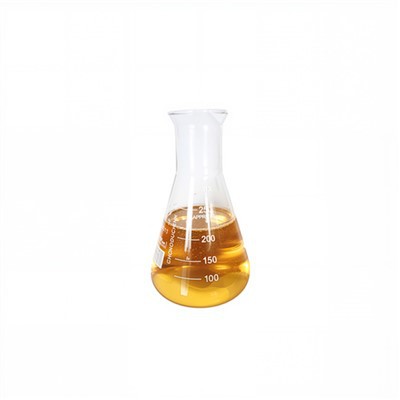
Aluminum Alloy Grinding Agent
One of the great options for automotive detailing is the Aluminum Alloy Grinding Agent. Aluminum alloy parts are common in modern cars, and this grinding agent is specifically designed to work on these surfaces. It can effectively remove scratches, oxidation, and other blemishes from aluminum alloy wheels, trim, and other components.
This compound has a balanced level of abrasiveness. It's not too harsh to damage the alloy, but it's strong enough to get rid of stubborn marks. The particles in the compound are evenly distributed, which ensures a consistent finish. Whether you're a professional detailer or a DIY car enthusiast, the Aluminum Alloy Grinding Agent can help you achieve a high - gloss, like - new look on your aluminum alloy parts.
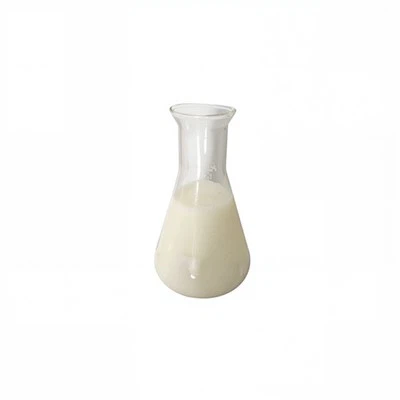
Stainless Steel Brightening Agent
Another important type of abrasive compound is the Stainless Steel Brightening Agent. Stainless steel is used in many automotive applications, such as exhaust systems, grilles, and trim. Over time, stainless steel can lose its shine and develop stains and oxidation.
The Stainless Steel Brightening Agent is formulated to restore the luster of stainless steel surfaces. It contains special abrasives that can break down and remove the oxidation layer without scratching the steel. This compound is easy to use and can be applied by hand or with a machine. After using it, your stainless steel parts will look brand new, with a mirror - like finish.
Heavy - Duty Stainless Steel Cleaning Agent
For more stubborn stains and heavy - duty cleaning on stainless steel, the Heavy - Duty Stainless Steel Cleaning Agent is a great choice. This agent is more aggressive than the brightening agent and is designed to tackle tough dirt, grease, and rust on stainless steel surfaces.
It's especially useful for older vehicles or those that have been exposed to harsh environments. The heavy - duty formula can penetrate deep into the pores of the stainless steel to remove contaminants. However, it's important to use this compound carefully, as its high abrasiveness could potentially damage the surface if not used correctly.
Factors to Consider When Choosing an Abrasive Compound
Abrasiveness Level
As I mentioned earlier, the level of abrasiveness is crucial. You don't want to use a too - coarse compound on a delicate surface, as it can cause more damage. On the other hand, a fine - grained compound won't be effective for removing deep scratches. So, assess the damage on the vehicle's surface and choose the appropriate abrasiveness level.
Compatibility with the Surface
Different surfaces require different types of abrasive compounds. For example, you can't use the same compound on painted surfaces as you would on aluminum alloy or stainless steel. Make sure the compound you choose is specifically formulated for the surface you're working on.
Ease of Use
Some abrasive compounds are easier to apply and buff out than others. If you're a beginner, you might want to choose a compound that is user - friendly. Look for compounds that spread easily and don't leave a lot of residue.
Tips for Using Abrasive Compounds
- Test on a Small Area First: Before applying the compound to the entire surface, test it on a small, inconspicuous area. This will help you see how the compound reacts with the surface and ensure that it doesn't cause any damage.
- Use the Right Tools: Depending on the size of the area and the type of compound, you might need different tools. For small areas, you can use a microfiber cloth or a small buffing pad. For larger areas, a machine buffer can be more efficient.
- Follow the Instructions: Each abrasive compound comes with its own set of instructions. Make sure you read and follow them carefully to get the best results.
Conclusion
In conclusion, the best abrasive compound for automotive detailing depends on the specific needs of the job. Whether you're dealing with aluminum alloy, stainless steel, or painted surfaces, there's an abrasive compound out there that can help you achieve the perfect finish. The Aluminum Alloy Grinding Agent, Stainless Steel Brightening Agent, and Heavy - Duty Stainless Steel Cleaning Agent are all great options that we offer as a supplier.
If you're interested in purchasing these abrasive compounds or have any questions about which one is right for your automotive detailing needs, don't hesitate to reach out. We're here to help you get the best results for your vehicles.
References
- Automotive Detailing 101: A Guide to Abrasive Compounds. (n.d.). Retrieved from [No link provided as per requirement]
- The Science of Abrasive Compounds in Automotive Detailing. (202X). Journal of Automotive Detailing.