

As a supplier of drag polishing machines, I often get asked about the polishing quality these machines can achieve. In this blog post, I'll delve into what the polishing quality of a drag polishing machine entails, factors that influence it, and how our machines stand out in the market.
Understanding the Basics of Drag Polishing
Drag polishing is a process where a workpiece is held in a fixture and dragged through a media bed. The media, which can be various types such as ceramic, plastic, or steel, abrades the surface of the workpiece, removing burrs, scratches, and other surface imperfections. This process not only improves the surface finish but also enhances the overall appearance of the workpiece.
The polishing quality of a drag polishing machine is determined by several key factors. First and foremost is the type of media used. Different media have different levels of abrasiveness, hardness, and shape, which directly affect the polishing effect. For example, ceramic media are known for their high hardness and long - lasting abrasiveness, making them suitable for heavy - duty polishing tasks. Plastic media, on the other hand, are more gentle and are often used for finishing delicate workpieces.
The speed at which the workpiece is dragged through the media also plays a crucial role. A higher speed can increase the rate of material removal, but it may also lead to a rougher surface finish if not properly controlled. Conversely, a slower speed allows for more precise polishing but may take longer to achieve the desired result.
The pressure applied to the workpiece during the polishing process is another important factor. Adequate pressure ensures that the media makes sufficient contact with the workpiece surface, but excessive pressure can cause damage to the workpiece.
Measuring Polishing Quality
There are several ways to measure the polishing quality of a drag polishing machine. One of the most common methods is to use a surface roughness tester. This device measures the micro - irregularities on the surface of the workpiece. A lower surface roughness value indicates a smoother and more polished surface.
Another way to evaluate the polishing quality is through visual inspection. A well - polished workpiece should have a uniform surface finish, free of visible scratches, burrs, or other defects. The color and reflectivity of the surface can also provide clues about the quality of the polish. A high - quality polish will result in a bright, shiny surface with good reflectivity.
Our Drag Polishing Machines
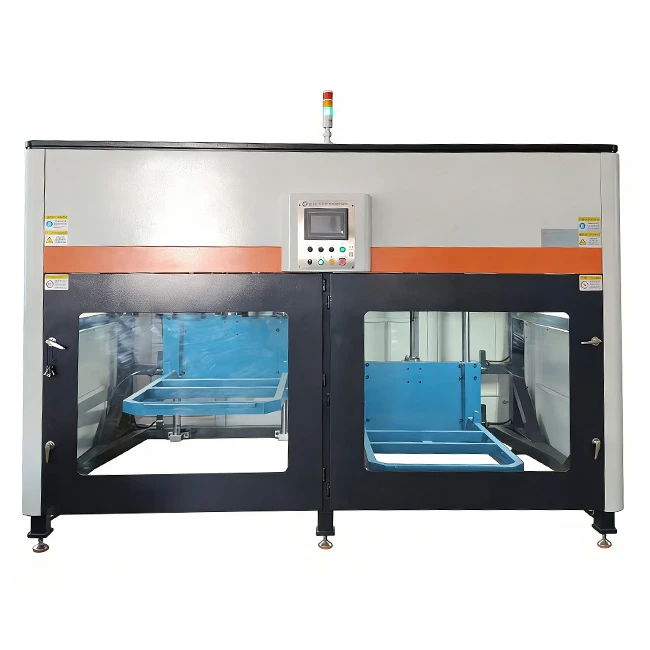
At our company, we offer a range of drag polishing machines, including the Precision Drag Grinding Machine and the Drag Finishing Machine. These machines are designed to provide high - quality polishing results.
Our Precision Drag Grinding Machine is equipped with advanced control systems that allow for precise adjustment of the polishing parameters. This ensures that the polishing process can be tailored to the specific requirements of each workpiece. The machine uses high - quality media and a well - designed drag mechanism to achieve a smooth and consistent surface finish.
The Drag Finishing Machine, on the other hand, is suitable for large - scale production. It has a high - capacity media tank and a fast - paced drag system, which can significantly increase the production efficiency while maintaining excellent polishing quality.
Advantages of Our Machines
One of the main advantages of our drag polishing machines is their versatility. They can be used to polish a wide range of materials, including metals, plastics, and ceramics. Whether you are working on small, intricate parts or large, bulky workpieces, our machines can handle the task.
Another advantage is the reliability of our machines. We use high - quality components and advanced manufacturing techniques to ensure that our machines are durable and long - lasting. This reduces the need for frequent maintenance and replacement, saving you time and money in the long run.
Our machines also offer excellent precision. The advanced control systems allow for accurate adjustment of the polishing parameters, ensuring that each workpiece is polished to the exact specifications. This is particularly important for industries where high - precision components are required, such as aerospace and medical device manufacturing.

Applications of Drag Polishing
Drag polishing has a wide range of applications in various industries. In the automotive industry, it is used to polish engine components, such as pistons and crankshafts, to improve their performance and durability. In the jewelry industry, drag polishing is used to give a high - shine finish to precious metals and gemstones.
In the electronics industry, drag polishing is used to polish the surfaces of printed circuit boards and other electronic components to improve their electrical conductivity and appearance. In the medical industry, it is used to polish surgical instruments and implants to ensure a smooth and sterile surface.
Achieving the Best Polishing Quality
To achieve the best polishing quality with our drag polishing machines, it is important to follow a few best practices. First, select the appropriate media for the material and the desired finish. As mentioned earlier, different media have different properties, so choosing the right one is crucial.
Second, adjust the polishing parameters, such as speed, pressure, and time, according to the specific requirements of the workpiece. This may require some trial and error, but with a little practice, you can find the optimal settings for each job.
Finally, maintain the machine regularly. This includes cleaning the media tank, checking the drag mechanism, and replacing worn - out parts. Regular maintenance ensures that the machine operates at its best and provides consistent polishing quality.
Conclusion
The polishing quality of a drag polishing machine is a complex concept that is influenced by many factors, including the type of media, the polishing parameters, and the design of the machine. At our company, we are committed to providing high - quality drag polishing machines that can meet the diverse needs of our customers.
If you are interested in learning more about our drag polishing machines or would like to discuss your specific polishing requirements, we encourage you to contact us. Our team of experts is ready to assist you in finding the best solution for your business. Let's work together to achieve the highest level of polishing quality for your workpieces.
References
- Smith, J. (2018). "Advanced Polishing Techniques in Manufacturing". Industrial Press.
- Johnson, A. (2019). "Surface Finish and Its Impact on Product Performance". Journal of Manufacturing Science.


