Hey there! As a supplier of Lapping Fine Grinding Fluid, I often get asked about the recommended concentration of this stuff. It's a crucial question because getting the concentration right can make a huge difference in the performance of your lapping and grinding operations.
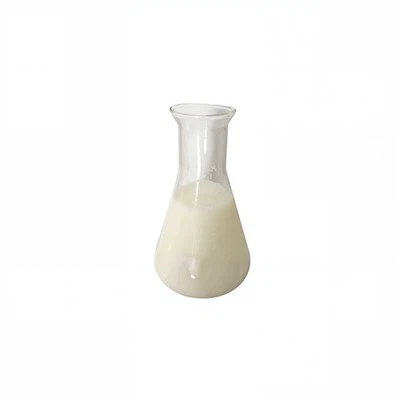
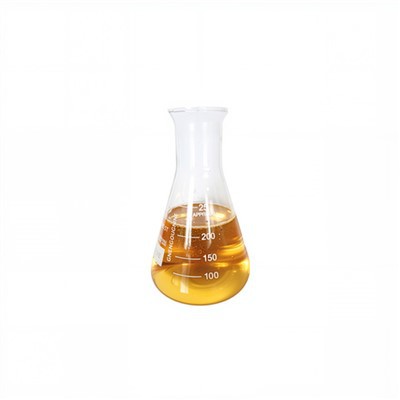
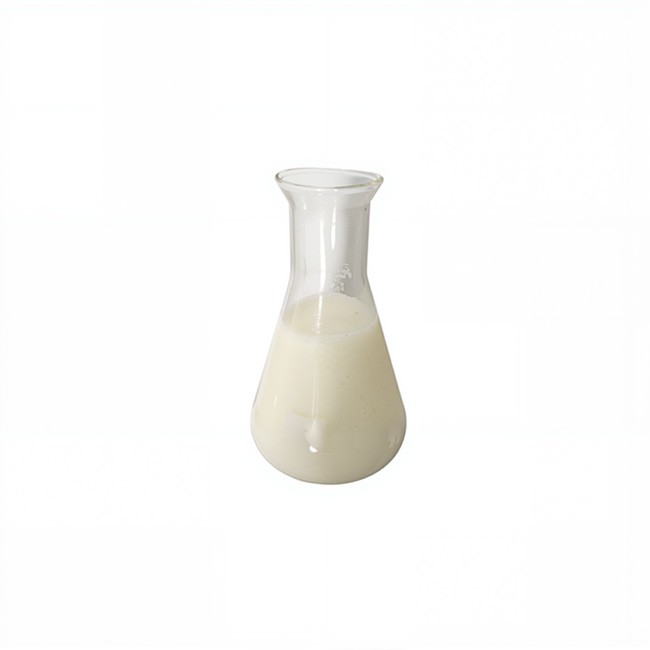
First off, let's understand what Lapping Fine Grinding Fluid is all about. It's a specialized fluid used in the lapping and fine - grinding processes. These processes are used to achieve extremely smooth and precise surfaces on various materials like metals, ceramics, and glass. The fluid helps in reducing friction, cooling the workpiece and the grinding tool, and carrying away the debris generated during the grinding process.

Now, when it comes to the recommended concentration, it depends on several factors. One of the main factors is the type of material you're working with. For example, if you're lapping a soft metal like aluminum, you might need a different concentration compared to when you're working on a hard ceramic material.
For softer materials, a lower concentration of the lapping fine grinding fluid might be sufficient. A concentration of around 5 - 10% can work well. This lower concentration still provides enough lubrication and cooling, but it doesn't make the fluid too thick, which could slow down the grinding process. At this concentration, the fluid can easily flow between the grinding tool and the workpiece, effectively carrying away the debris.
On the other hand, when dealing with harder materials such as tungsten carbide or some high - strength steels, a higher concentration is usually recommended. A concentration in the range of 15 - 20% can be more appropriate. The higher concentration gives the fluid more abrasive power and better lubrication properties, which are needed to grind through the tough material.
Another factor that affects the recommended concentration is the type of lapping or grinding operation. If you're doing a rough grinding operation, you might want a different concentration than if you're doing a fine - finishing operation.
For rough grinding, a slightly higher concentration can be beneficial. You can check out our Lapping Rough Grinding Fluid for more details on the products suitable for this type of operation. The higher concentration helps in removing material quickly and efficiently. In this case, a concentration of around 12 - 18% can be a good starting point.
When it comes to fine - finishing operations, a lower concentration is often preferred. This is because you want to achieve a very smooth surface without removing too much material. A concentration of 3 - 8% can be ideal for fine - finishing. Our Lapping Medium Grinding Fluid is designed to work well in these types of situations.
The size of the abrasive particles in the fluid also plays a role in determining the concentration. Smaller abrasive particles generally require a lower concentration. This is because they are more effective at a lower concentration and can still provide a smooth finish. Larger abrasive particles, on the other hand, might need a higher concentration to be effective in removing material.
If you're working with glass, the recommended concentration can be a bit different. Glass is a delicate material, and you need to be careful not to scratch it. Our Glass Polishing Fluid is formulated specifically for glass. For glass polishing, a relatively low concentration of around 2 - 6% is usually recommended. This helps in achieving a high - quality, scratch - free finish on the glass surface.
It's important to note that these are just general guidelines. The best way to determine the right concentration for your specific application is through some trial and error. Start with the recommended ranges I've mentioned and then adjust the concentration based on the results you're getting. You can monitor factors like the surface finish, the rate of material removal, and the temperature of the workpiece during the grinding process.
If you're new to using lapping fine grinding fluid, it's a good idea to start with a lower concentration and gradually increase it if needed. This way, you can avoid over - grinding or causing damage to the workpiece.
In addition to the concentration, you also need to consider other factors like the flow rate of the fluid. The fluid should flow smoothly over the grinding surface to ensure proper lubrication and cooling. You can adjust the flow rate based on the size of the workpiece and the speed of the grinding operation.
Another thing to keep in mind is the maintenance of the fluid. Over time, the fluid can become contaminated with debris and lose its effectiveness. You should regularly check the fluid and replace it when necessary. You can also use filters to remove the debris from the fluid and extend its lifespan.
If you have any questions about the recommended concentration of lapping fine grinding fluid or need help choosing the right product for your application, don't hesitate to reach out. We're here to help you get the best results from your lapping and grinding operations. Whether you're a small workshop or a large manufacturing facility, we can provide you with the right solutions.
So, if you're interested in purchasing our lapping fine grinding fluid or want to discuss your specific requirements, just let us know. We can have a detailed conversation about your needs and recommend the best products and concentrations for your operations.
References
- General knowledge in the field of lapping and grinding technology
- Product research and development data from our company's experience in supplying lapping fine grinding fluid