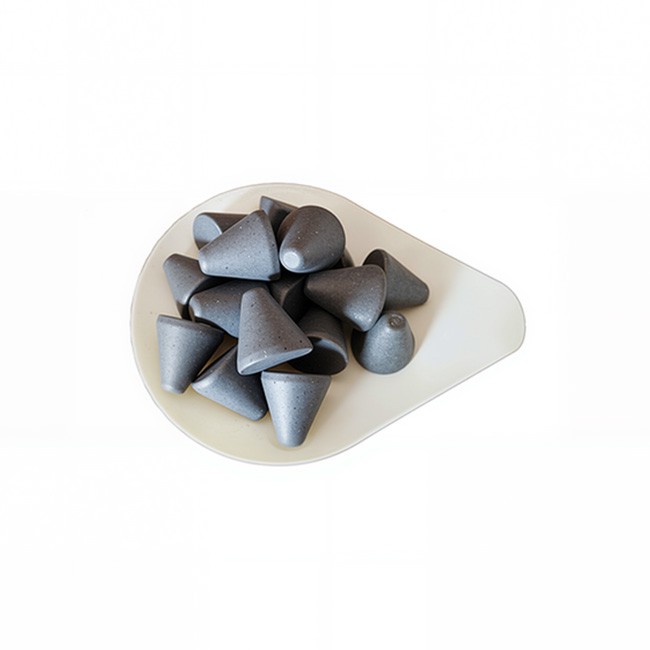
The abrasives within a lapping agent perform the cutting action; commonly used abrasives include corundum, silicon carbide, boron carbide, and synthetic diamond. For fine lapping and polishing, softer abrasives-such as iron oxide, chromium oxide, and cerium oxide-are also employed.
Dispersants serve to distribute the abrasives uniformly throughout the lapping agent, while also fulfilling functions such as dilution, lubrication, and cooling; common examples include kerosene, machine oil, animal oils, glycerin, alcohol, and water. Auxiliary materials primarily consist of mixed lipids, typically formulated from a combination of substances such as stearic acid, fatty acids, ethylene oxide, triethanolamine, paraffin wax, oleic acid, and cetyl alcohol. During the lapping process, these materials facilitate emulsification, lubrication, and adsorption; furthermore, they induce chemical reactions on the workpiece surface, generating easily detachable oxide or sulfide films that serve to enhance processing efficiency. Additionally, auxiliary materials may incorporate additives such as coloring agents, preservatives, and fragrances.