Hey there! I'm a supplier of Alloy Cleaning Agents, and today I want to dive into a crucial topic: the pH level of alloy cleaning agents.
First off, let's understand what pH is. In simple terms, pH is a measure of how acidic or basic a substance is. It ranges from 0 to 14, with 7 being neutral. Substances with a pH less than 7 are acidic, while those with a pH greater than 7 are basic.
When it comes to alloy cleaning agents, the pH level plays a significant role in how well they work. Different alloys have different properties, and the right pH level can make all the difference in effectively cleaning them.
For example, some alloys are more sensitive to acidic environments. If you use a cleaning agent that's too acidic on these alloys, it could cause corrosion or damage the surface. On the other hand, if the cleaning agent is too basic, it might not be able to break down the dirt and grime effectively.
So, what's the ideal pH level for alloy cleaning agents? Well, it depends on the type of alloy you're dealing with. For most common alloys like stainless steel, a slightly basic cleaning agent with a pH between 8 and 10 is often a good choice. This pH range helps to dissolve grease, oil, and other contaminants without causing harm to the alloy.
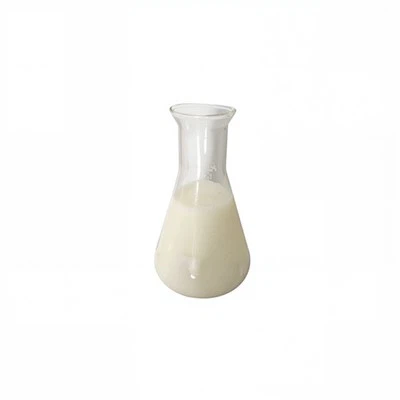
Let's take a closer look at some of the cleaning agents we offer. Our Heavy-Duty Stainless Steel Cleaning Agent is formulated with a carefully balanced pH to ensure optimal cleaning performance on stainless steel. It not only removes stubborn stains and dirt but also helps to protect the surface of the alloy from corrosion.
Another great option is our Heavy-Duty Wax Remover. This cleaning agent has a specific pH level that's designed to break down wax and other residues on alloy surfaces. It's very effective and can save you a lot of time and effort when cleaning your alloys.
If you're looking for a more advanced cleaning solution, our Ultrasonic Cleaning Agent is a great choice. The pH of this agent is optimized for use in ultrasonic cleaning systems, which use high-frequency sound waves to clean the alloys. It can reach into small crevices and remove even the most stubborn dirt.


It's important to note that the pH level of a cleaning agent can also affect its compatibility with other chemicals. For instance, if you mix a cleaning agent with a very high pH with an acidic substance, it could cause a chemical reaction that might be dangerous. So, always make sure to read the labels and follow the instructions carefully when using our cleaning agents.
In addition to the pH level, other factors can also influence the performance of alloy cleaning agents. The temperature, concentration of the cleaning solution, and the duration of the cleaning process all play a role. For example, increasing the temperature of the cleaning solution can often speed up the cleaning process, but it also needs to be within a safe range for the alloy.
When you're choosing an alloy cleaning agent, it's a good idea to test it on a small, inconspicuous area first. This way, you can see how the alloy reacts to the cleaning agent and make sure it doesn't cause any damage.
We understand that different customers have different needs when it comes to alloy cleaning. That's why we offer a variety of cleaning agents with different pH levels and formulations. Whether you're dealing with light dirt or heavy grime, we have a solution for you.
If you're in the market for alloy cleaning agents, I encourage you to get in touch with us. We can provide you with more information about our products, help you choose the right cleaning agent for your specific needs, and even offer samples for you to test.
In conclusion, the pH level of alloy cleaning agents is a crucial factor in their effectiveness. By understanding the right pH for your alloy and choosing the appropriate cleaning agent, you can ensure a thorough and safe cleaning process. So, don't hesitate to reach out to us and start your journey to cleaner alloys!
References:
- General knowledge of chemistry and alloy cleaning principles.