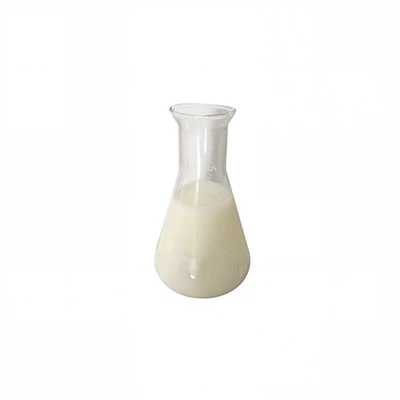
Hey there! As a supplier of Lapping Rough Grinding Fluid, I often get asked about the surface tension of this essential product. So, let's dive right in and explore what surface tension is and how it relates to our Lapping Rough Grinding Fluid.
First off, what exactly is surface tension? Well, it's a property of liquids that makes the surface behave like a stretched elastic membrane. You can think of it as the force that holds the molecules of a liquid together at the surface. This force is caused by the cohesive forces between the liquid molecules. In simple terms, the molecules at the surface of a liquid are attracted to the molecules below and around them, creating a sort of "skin" on the surface.
Now, why is surface tension important when it comes to Lapping Rough Grinding Fluid? The surface tension of the fluid plays a crucial role in its performance during the lapping and rough grinding processes. A fluid with the right surface tension can help in several ways. For example, it can ensure proper wetting of the workpiece and the abrasive particles. When the fluid has good wetting properties, it can spread evenly over the surface of the workpiece, allowing the abrasive particles to work more effectively. This leads to better grinding results, such as smoother surfaces and more accurate dimensions.
Another important aspect is the ability of the fluid to carry the abrasive particles. The surface tension affects how well the fluid can suspend the abrasive particles and keep them in place during the grinding process. If the surface tension is too low, the abrasive particles may settle too quickly, reducing their effectiveness. On the other hand, if the surface tension is too high, the fluid may not flow easily, which can also affect the grinding performance.
So, how do we measure the surface tension of Lapping Rough Grinding Fluid? There are several methods available, but one of the most common is the capillary rise method. In this method, a thin tube is placed in the fluid, and the height to which the fluid rises in the tube is measured. The surface tension can then be calculated using the properties of the tube and the fluid. Another method is the pendant drop method, where a drop of the fluid is suspended from a needle, and the shape of the drop is analyzed to determine the surface tension.
As a supplier of Lapping Rough Grinding Fluid, we understand the importance of getting the surface tension just right. That's why we invest a lot of time and effort in research and development to ensure that our products have the optimal surface tension for the best performance. We also conduct regular quality control checks to make sure that the surface tension of our fluids meets the required standards.
In addition to Lapping Rough Grinding Fluid, we also offer other related products, such as Diamond Polishing Fluid and Glass Polishing Fluid. These products also rely on the right surface tension to achieve the best results. For example, in diamond polishing, the surface tension of the fluid affects how well the diamond particles are dispersed and how they interact with the surface being polished.
If you're in the market for high-quality Lapping Rough Grinding Fluid or any of our other products, we'd love to hear from you. Whether you're a small workshop or a large manufacturing company, we can provide you with the right solutions for your grinding and polishing needs. Our team of experts is always available to answer your questions and help you choose the best product for your specific application.

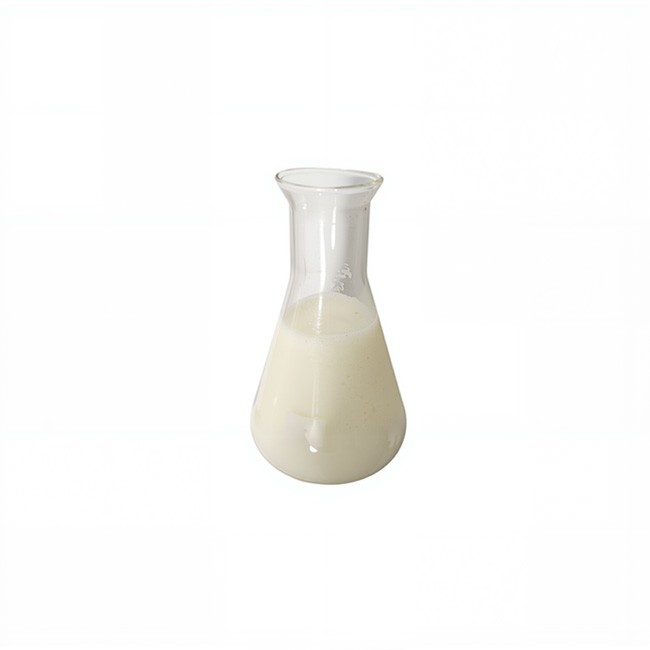
In conclusion, the surface tension of Lapping Rough Grinding Fluid is a critical factor that can significantly impact its performance. By understanding the importance of surface tension and choosing the right fluid, you can achieve better grinding results and improve the quality of your products. So, if you're looking for a reliable supplier of Lapping Rough Grinding Fluid, look no further. Contact us today to learn more about our products and how they can benefit your business.
References:
- Principles of Colloid and Surface Chemistry, Paul C. Hiemenz and Raj Rajagopalan
- Handbook of Surface and Colloid Chemistry, A. W. Adamson and A. P. Gast