As a supplier of quartz abrasive media, I often engage in discussions with customers about the advantages and disadvantages of our products. While quartz abrasive media offers numerous benefits, it's essential to be transparent about its potential drawbacks. In this blog, I'll delve into the possible disadvantages of quartz abrasive media to provide a comprehensive understanding for our customers.
1. Health Risks Associated with Silica Dust
One of the most significant concerns when using quartz abrasive media is the generation of silica dust. Quartz is a form of crystalline silica, and when it is used for abrasive purposes, the process can release fine silica particles into the air. Inhalation of these particles can lead to serious health issues, such as silicosis, a lung disease caused by the accumulation of silica in the lungs. Silicosis can cause shortness of breath, coughing, and in severe cases, it can be fatal.
According to the Occupational Safety and Health Administration (OSHA), exposure to respirable crystalline silica can also increase the risk of lung cancer, chronic obstructive pulmonary disease (COPD), and kidney disease. To mitigate these risks, proper ventilation and personal protective equipment (PPE) are required when working with quartz abrasive media. However, despite these precautions, there is still a residual risk, especially in environments where ventilation is inadequate or PPE is not used correctly.


2. Abrasive Wear on Equipment
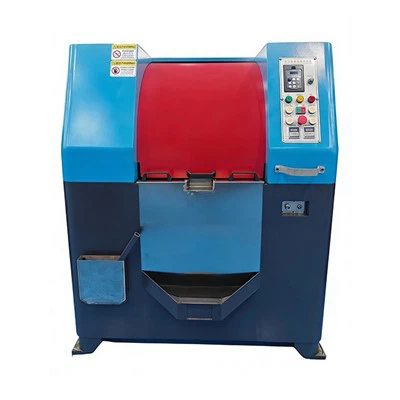
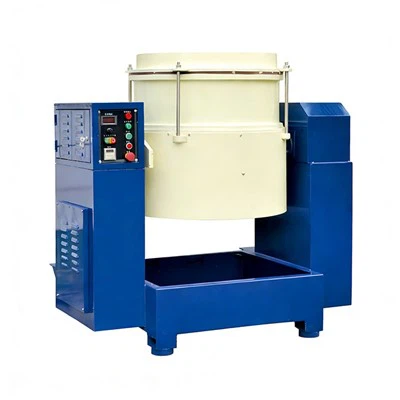
Quartz abrasive media is known for its hardness, which is an advantage in many abrasive applications. However, this hardness can also lead to increased wear on the equipment used in the abrasive process. The abrasive action of quartz particles can cause significant damage to the surfaces of machinery, such as sandblasting nozzles, tumbling barrels, and conveyor belts. This wear can result in frequent equipment maintenance and replacement, which can increase the overall cost of the abrasive process.
For example, in a sandblasting operation, the high - velocity quartz particles can erode the interior of the sandblasting nozzle over time. This not only reduces the efficiency of the sandblasting process but also requires the nozzle to be replaced more frequently. Similarly, in a tumbling operation, the quartz abrasive media can cause wear on the tumbling barrel, leading to leaks and reduced performance.
3. Limited Chemical Resistance
Quartz abrasive media may have limited chemical resistance in certain environments. While quartz is generally resistant to many chemicals, it can be attacked by strong alkalis and hydrofluoric acid. In applications where the abrasive media comes into contact with these chemicals, the quartz particles can be corroded, which can affect the performance of the abrasive media and potentially contaminate the workpiece.
For instance, in a chemical processing plant where the abrasive media is used to clean or finish parts that are exposed to alkaline solutions, the quartz particles may gradually dissolve, reducing their abrasive effectiveness. This can lead to inconsistent results and may require more frequent replacement of the abrasive media.
4. Cost Considerations
Although quartz abrasive media is relatively inexpensive compared to some other types of abrasive media, the overall cost can still be a factor, especially when considering the long - term use. As mentioned earlier, the wear on equipment and the need for proper safety measures can add to the cost of using quartz abrasive media. Additionally, the disposal of used quartz abrasive media can also incur costs, as it may be classified as hazardous waste due to the presence of silica dust.
In some cases, customers may find that alternative abrasive media, such as Brown Fused Alumina Tapered Cylinder Abrasive Media, Aluminum Oxide Beads, or Silicon Carbide Tumbling Media, may offer better performance or cost - effectiveness for their specific applications.
5. Environmental Impact
The production and use of quartz abrasive media can have an environmental impact. The mining and processing of quartz can lead to habitat destruction, soil erosion, and water pollution. Additionally, the disposal of used quartz abrasive media can contribute to landfill waste, especially if it is not properly recycled.
In recent years, there has been an increasing focus on environmental sustainability in the manufacturing industry. Customers are becoming more conscious of the environmental impact of the products they use and are looking for more eco - friendly alternatives. While there are efforts to recycle quartz abrasive media, the process can be complex and costly, which may limit its widespread adoption.
Conclusion
While quartz abrasive media has many advantages, such as its hardness, availability, and relatively low cost, it also has several disadvantages that need to be considered. The health risks associated with silica dust, abrasive wear on equipment, limited chemical resistance, cost considerations, and environmental impact are all factors that customers should take into account when choosing an abrasive media.
As a supplier of quartz abrasive media, we are committed to providing our customers with the most suitable abrasive solutions. We understand that each application is unique, and we work closely with our customers to assess their needs and recommend the best abrasive media for their specific requirements. If you are considering using quartz abrasive media or are looking for alternative abrasive solutions, please feel free to contact us for a detailed discussion. We are here to help you make an informed decision and ensure that you get the best results from your abrasive processes.
References
- Occupational Safety and Health Administration (OSHA). "Respirable Crystalline Silica." OSHA.gov.
- Various industry reports on abrasive media performance and environmental impact.