Are there any special handling procedures for vegetable abrasive media?
Hey there! I'm a supplier of vegetable abrasive media, and I often get asked about special handling procedures for these products. In this blog, I'll share some insights on this topic based on my experience in the industry.
First off, let's understand what vegetable abrasive media are. These are abrasives made from natural vegetable materials such as corn cobs, wood, and bamboo. They're popular because they're eco - friendly, biodegradable, and relatively gentle compared to some traditional abrasives.
Corn Cob Abrasive
One of the most well - known vegetable abrasive media is Corn Cob Abrasive. Corn cob abrasives are made from crushed corn cobs. They're great for a variety of applications, like cleaning, polishing, and deburring.
When it comes to handling corn cob abrasive, there are a few things to keep in mind. Firstly, storage is crucial. You should store it in a dry place. Corn cobs are organic materials, and if they get wet, they can start to mold. A sealed container is the best option to keep moisture out.
Secondly, when using corn cob abrasive in a blasting operation, make sure your equipment is set up correctly. The pressure and flow rate need to be adjusted according to the specific task. For example, if you're using it for a light cleaning job, you can use a lower pressure. But if you're doing some heavy - duty deburring, you might need a higher pressure.
Square Wood Grit Abrasive Media
Another type of vegetable abrasive media is Square Wood Grit Abrasive Media. This is made from wood, and it has unique properties. Wood grit abrasives are often used for finishing and polishing applications.
Handling square wood grit abrasive media also requires some attention. Similar to corn cob abrasive, it should be stored in a dry environment. Wood can absorb moisture, which can affect its abrasive properties. Also, when you're using it, be aware of the dust. Wood dust can be a health hazard, so proper ventilation is a must. You might want to wear a dust mask and goggles to protect yourself.
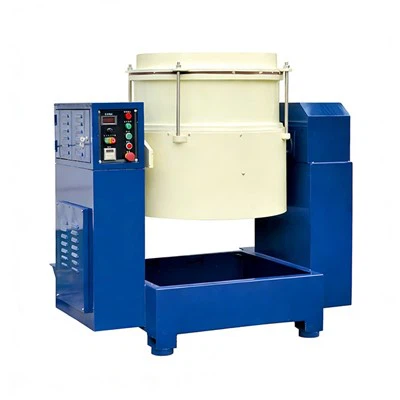
When it comes to using square wood grit in a machine, make sure the machine is clean before loading the abrasive. Any debris or old abrasive left in the machine can contaminate the new wood grit and reduce its effectiveness.
Bamboo Grit Abrasive Media
Bamboo Grit Abrasive Media is another interesting option. Bamboo is a fast - growing and sustainable material, making it an eco - friendly choice for abrasives.
For bamboo grit, the handling procedures are somewhat similar to the other vegetable abrasives. Keep it dry during storage. Bamboo can also be affected by moisture, and it might start to break down if it's exposed to too much humidity.
When using bamboo grit, pay attention to the compatibility with your equipment. Some machines might need specific adjustments to work well with bamboo grit. For example, the size of the abrasive particles can affect the flow rate in the machine, so you might need to adjust the settings accordingly.
General Handling Tips
Regardless of the type of vegetable abrasive media, there are some general handling tips. First, always wear appropriate personal protective equipment (PPE). This includes gloves, goggles, and a dust mask. As I mentioned earlier, dust from these abrasives can be a health risk, so protecting yourself is essential.
Second, when transporting the abrasive media, make sure the containers are secure. You don't want any spills during transit. And if you're shipping large quantities, make sure the packaging is sturdy enough to withstand the journey.


Third, keep track of the expiration date. Although vegetable abrasives are natural, they do have a shelf life. Using expired abrasive media can lead to sub - par results.
Quality Control
Quality control is an important aspect of handling vegetable abrasive media. Before using a new batch, it's a good idea to do some tests. For example, you can check the particle size distribution. A consistent particle size is crucial for achieving uniform results in your applications.
You can also do a small - scale test on a sample surface. This will help you determine if the abrasive is suitable for your specific task. If the results aren't satisfactory, you might need to adjust the handling procedures or choose a different type of abrasive.
Contact for Purchase
If you're interested in purchasing vegetable abrasive media, whether it's corn cob, square wood grit, or bamboo grit, I'd love to have a chat with you. We can discuss your specific needs, the best type of abrasive for your application, and any special handling requirements you might have. Reach out to us, and let's start a conversation about how our vegetable abrasive media can meet your needs.
References
- Industry reports on vegetable abrasive media
- Manufacturer's guidelines for handling and using vegetable abrasives
- Safety data sheets for corn cob, wood, and bamboo abrasives