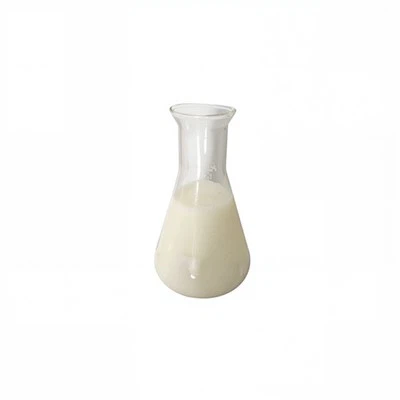
Making glass polishing fluid at home can be a rewarding and cost - effective endeavor, especially if you're into DIY glass projects or simply want to maintain the clarity and shine of your glass items. As a supplier of Glass Polishing Fluid, I understand the importance of having a good quality polishing fluid. In this blog, I'll share with you how you can create your own glass polishing fluid right at home.
Understanding the Basics of Glass Polishing Fluid
Before we dive into the making process, it's essential to understand what glass polishing fluid does. Glass polishing fluid is designed to remove scratches, stains, and imperfections from the surface of the glass, leaving it smooth and clear. It contains abrasive particles that work to gently wear down the rough spots on the glass surface.
Ingredients and Tools You'll Need
To make your own glass polishing fluid, you'll need the following ingredients and tools:
Ingredients
- Abrasives: You can use fine - grained substances like cerium oxide, aluminum oxide, or diamond powder. These abrasives are key to the polishing process. Cerium oxide is a popular choice as it is relatively gentle on glass and effective at removing minor scratches.
- Liquid Carrier: Water is the most common liquid carrier. You can also use a small amount of isopropyl alcohol to help with the dispersion of the abrasives and to speed up the drying process.
- Surfactant: A mild dish soap can be used as a surfactant. It helps the polishing fluid spread evenly on the glass surface and reduces the surface tension.
Tools
- Mixing Container: A small plastic or glass container with a lid is ideal for mixing the ingredients.
- Stirring Utensil: A wooden or plastic stirrer to mix the ingredients thoroughly.
- Measuring Tools: Measuring spoons and a small measuring cup to ensure the right proportions of the ingredients.
Step - by - Step Guide to Making Glass Polishing Fluid
- Measure the Abrasive: Start by measuring the abrasive. For a small batch of polishing fluid, you can use about 1 - 2 tablespoons of cerium oxide or aluminum oxide. If you're using diamond powder, a much smaller amount, around 1/4 to 1/2 teaspoon, will be sufficient due to its high abrasive power.
- Add the Liquid Carrier: Pour about 1/4 to 1/2 cup of water into the mixing container. If you're using isopropyl alcohol, add about 1 - 2 tablespoons of it to the water. The alcohol will help the fluid dry faster and improve the polishing efficiency.
- Add the Surfactant: Add a few drops of mild dish soap to the liquid mixture. The dish soap will act as a surfactant, helping the abrasive particles to disperse evenly in the liquid.
- Mix Thoroughly: Use the stirring utensil to mix the ingredients well. Make sure there are no lumps in the mixture. You want a smooth, homogeneous fluid. The consistency should be similar to a thin paste. If it's too thick, you can add a little more water; if it's too thin, add a bit more abrasive.
Using the Homemade Glass Polishing Fluid
Once you've made your glass polishing fluid, here's how you can use it:
- Clean the Glass: Before applying the polishing fluid, clean the glass surface with a glass cleaner to remove any dirt, dust, or grease. Dry the glass thoroughly with a clean microfiber cloth.
- Apply the Polishing Fluid: Dip a soft, clean cloth or a polishing pad into the polishing fluid. Apply a small amount of the fluid to the glass surface. Start with a small area and work in circular motions. Apply gentle pressure as you polish.
- Polish the Glass: Keep polishing the glass in circular motions for a few minutes. You should start to see the scratches and imperfections on the glass surface gradually disappearing. If the fluid dries out during the process, add a little more fluid to the cloth or pad.
- Rinse and Dry: After polishing, rinse the glass surface with clean water to remove the polishing fluid. Dry the glass with a clean microfiber cloth. You should notice a significant improvement in the clarity and shine of the glass.
Advantages of Homemade Glass Polishing Fluid
- Cost - Effective: Making your own glass polishing fluid at home is much cheaper than buying commercial products. You can use common household ingredients, which are readily available and inexpensive.
- Customizable: You can adjust the abrasive content and the consistency of the polishing fluid according to your specific needs. If you're dealing with deeper scratches, you can increase the amount of abrasive; if you're just doing a light polish, you can use less.
- Eco - Friendly: By making your own polishing fluid, you can reduce the use of commercial products that may contain harmful chemicals. You can choose natural and non - toxic ingredients, which are better for the environment.
Limitations of Homemade Glass Polishing Fluid
- Limited Effectiveness: Homemade glass polishing fluid may not be as effective as commercial products, especially when dealing with deep scratches or heavy - duty polishing. Commercial products are often formulated with advanced abrasives and additives to provide better results.
- Quality Control: It can be challenging to ensure the consistency and quality of the homemade polishing fluid. The abrasive particles may not be evenly distributed, which can affect the polishing performance.
Alternative Polishing Fluids
If you're not satisfied with the homemade glass polishing fluid, there are other options available. For more precise and high - quality polishing, you can consider using Lapping Fine Grinding Fluid or Diamond Polishing Fluid. These fluids are specifically designed for different levels of polishing and can provide excellent results.
Conclusion
Making glass polishing fluid at home can be a fun and practical project. It allows you to save money and customize the polishing fluid according to your needs. However, it's important to understand its limitations and consider using commercial products for more challenging polishing tasks.
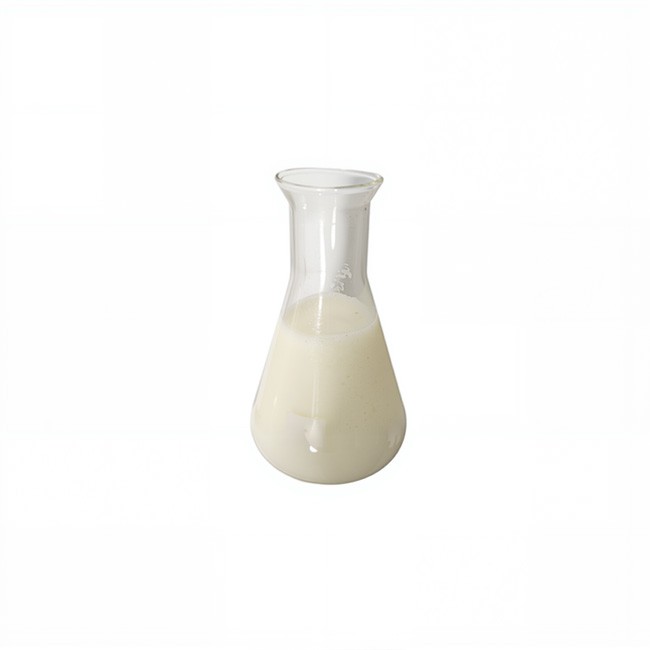

If you're interested in purchasing high - quality glass polishing fluids, we're here to help. We offer a wide range of Glass Polishing Fluid products that are designed to meet your specific requirements. Whether you're a professional glassworker or a DIY enthusiast, our products can provide the best results for your glass polishing needs. Contact us to discuss your requirements and start your procurement process.
References
- Handbook of Glass Polishing Techniques
- Glass Surface Treatment and Finishing Manual