Resin abrasive media is a versatile and widely used material in various industries, known for its effectiveness in surface finishing, deburring, and polishing. One question that often arises is whether resin abrasive media can be used for grinding ceramics. In this blog post, we'll explore this topic in detail, drawing on our experience as a resin abrasive media supplier.
Understanding Resin Abrasive Media
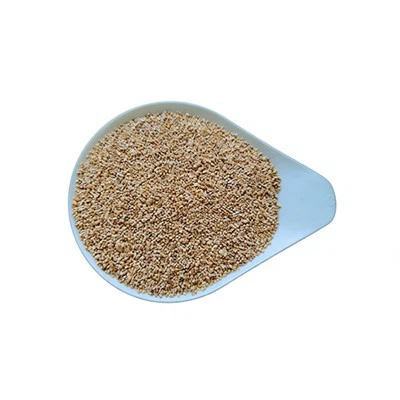
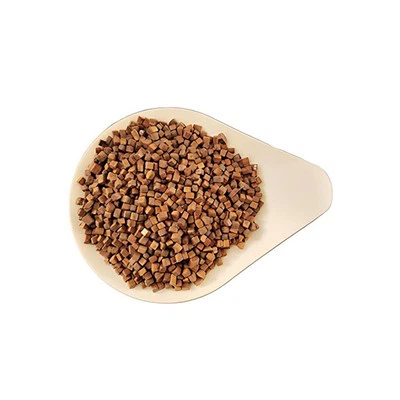
Resin abrasive media is composed of a resin binder and abrasive particles. The resin binder holds the abrasive particles together, providing structure and durability. The choice of abrasive particles, such as aluminum oxide, silicon carbide, or ceramic, determines the cutting ability and performance of the media. Different shapes and sizes of resin abrasive media are available, each designed for specific applications.
Properties of Ceramics
Ceramics are known for their hardness, brittleness, and high melting points. They are used in a wide range of applications, from electrical insulators to cutting tools and decorative items. The hardness of ceramics makes them challenging to grind, as they require an abrasive with sufficient cutting power. At the same time, their brittleness means that excessive force or improper grinding techniques can cause cracking or chipping.
Can Resin Abrasive Media Be Used for Grinding Ceramics?
The answer is yes, resin abrasive media can be used for grinding ceramics, but several factors need to be considered to ensure optimal results.
Abrasive Selection
The choice of abrasive is crucial when grinding ceramics. Harder abrasives, such as silicon carbide or ceramic, are generally more suitable for grinding ceramics due to their high cutting ability. These abrasives can effectively remove material from the ceramic surface without excessive wear on the media. For example, Light Blue Resin Abrasive Media contains high - quality abrasive particles that can provide a good balance between cutting power and surface finish when grinding ceramics.


Media Shape and Size
The shape and size of the resin abrasive media also play an important role. Smaller media sizes are often preferred for fine grinding and finishing, as they can reach into small crevices and provide a more uniform surface finish. Shapes like equilateral triangles can offer better cutting and deburring performance. Equilateral Triangle Navy Blue Resin Abrasive Media is designed to provide efficient material removal and a smooth surface finish on ceramic parts.
Grinding Parameters
Proper grinding parameters, such as speed, pressure, and feed rate, are essential for successful ceramic grinding. High - speed grinding can generate excessive heat, which may cause thermal damage to the ceramic. Therefore, it is important to control the grinding speed to prevent overheating. Additionally, applying the right amount of pressure ensures that the abrasive media can effectively cut into the ceramic surface without causing cracking or chipping.
Advantages of Using Resin Abrasive Media for Grinding Ceramics
- Versatility: Resin abrasive media can be used for a variety of ceramic materials, including alumina, zirconia, and porcelain. This makes it a cost - effective solution for different ceramic grinding applications.
- Surface Finish: Resin abrasive media can provide a smooth and uniform surface finish on ceramics, which is important for applications where aesthetics or functionality are critical.
- Reduced Damage: Compared to some other grinding methods, resin abrasive media can reduce the risk of cracking and chipping in ceramics, thanks to its relatively gentle grinding action.
Applications of Resin Abrasive Media in Ceramic Grinding
- Ceramic Components in Electronics: In the electronics industry, ceramic components such as substrates and insulators often require precise grinding to meet strict dimensional and surface finish requirements. Resin abrasive media can be used to achieve the desired surface quality without damaging the delicate ceramic parts.
- Ceramic Art and Decor: Artists and craftsmen use resin abrasive media to shape and polish ceramic art pieces, creating smooth and detailed surfaces.
- Cutting Tools: Ceramics are used in cutting tools due to their hardness. Resin abrasive media can be used to sharpen and maintain the cutting edges of ceramic tools, ensuring their optimal performance.
Tips for Using Resin Abrasive Media to Grind Ceramics
- Pre - cleaning: Before grinding, it is important to clean the ceramic parts to remove any dirt, grease, or debris. This ensures that the abrasive media can work effectively and reduces the risk of contamination.
- Media Maintenance: Regularly inspect and replace the resin abrasive media as it wears out. Worn - out media may not provide the desired cutting performance and can lead to inconsistent surface finishes.
- Testing: Conduct small - scale tests on sample ceramic parts to determine the best abrasive media, shape, size, and grinding parameters for your specific application.
Conclusion
In conclusion, resin abrasive media can be a viable option for grinding ceramics. By carefully selecting the appropriate abrasive, shape, and size of the media, and controlling the grinding parameters, you can achieve high - quality results in ceramic grinding. Our company, as a resin abrasive media supplier, offers a wide range of products, including Light Blue Resin Abrasive Media, Equilateral Triangle Navy Blue Resin Abrasive Media, and Dry Polishing Black Resin Abrasive Media, to meet your ceramic grinding needs.
If you are interested in purchasing resin abrasive media for your ceramic grinding applications, we invite you to contact us for more information and to discuss your specific requirements. Our team of experts is ready to assist you in finding the best solution for your business.
References
- Smith, J. (2018). Abrasive Technology Handbook. Publisher: ABC Publishing.
- Johnson, M. (2019). Ceramic Materials and Their Applications. Journal of Materials Science, 45(2), 321 - 330.