What is the polishing speed of a magnetic polishing machine?
As a supplier of magnetic polishing machines, I've received numerous inquiries about the polishing speed of these remarkable devices. Understanding the factors that influence polishing speed is crucial for both manufacturers and end - users, as it directly impacts productivity and cost - effectiveness.
The Basics of Magnetic Polishing Machines
Magnetic polishing machines utilize a unique magnetic field to drive small magnetic pins to move and rub against the workpiece, achieving the purpose of deburring, polishing, and cleaning. This technology offers a high - precision and efficient way to process various materials, including metals, plastics, and ceramics.
The polishing speed of a magnetic polishing machine is not a fixed value but is affected by several key factors.
Factors Affecting Polishing Speed
1. Workpiece Material
Different materials have different hardness and surface properties, which significantly affect the polishing speed. For example, soft metals like aluminum and copper can be polished relatively quickly because the magnetic pins can easily remove the burrs and scratches on their surfaces. In contrast, hard materials such as stainless steel and titanium require more time and energy to achieve the same level of polish. The harder the material, the more difficult it is for the magnetic pins to abrade the surface, resulting in a slower polishing speed.
2. Workpiece Shape and Size
The shape and size of the workpiece also play a vital role in determining the polishing speed. Complex - shaped workpieces with intricate details or deep holes may take longer to polish because the magnetic pins need to reach all areas of the surface. Additionally, larger workpieces generally require more time for complete polishing compared to smaller ones. For instance, a small jewelry piece can be polished much faster than a large industrial part.
3. Magnetic Field Strength
The strength of the magnetic field generated by the machine is a critical factor. A stronger magnetic field can drive the magnetic pins to move more vigorously, increasing the friction between the pins and the workpiece. This results in a faster polishing speed. However, it's important to find the right balance, as an overly strong magnetic field may cause excessive wear on the workpiece or the magnetic pins.
4. Polishing Media
The type and quality of the polishing media (magnetic pins) used in the machine can greatly affect the polishing speed. Different sizes and shapes of magnetic pins are suitable for different types of workpieces. For example, smaller pins are more effective for fine - detail polishing, while larger pins can cover a larger surface area and remove burrs more quickly. The material of the magnetic pins also matters; high - quality pins with good wear - resistance can maintain their effectiveness for a longer time, ensuring a consistent polishing speed.
5. Machine Settings
The settings of the magnetic polishing machine, such as the rotation speed of the magnetic field and the duration of the polishing process, directly influence the polishing speed. By adjusting these settings according to the specific requirements of the workpiece, users can optimize the polishing process. For example, increasing the rotation speed of the magnetic field can generally speed up the polishing process, but it may also generate more heat, which needs to be considered to avoid damage to the workpiece.


Measuring Polishing Speed
To measure the polishing speed of a magnetic polishing machine, we usually use the time it takes to achieve a certain level of surface finish. This can be determined by comparing the surface roughness of the workpiece before and after polishing. The surface roughness is typically measured in micrometers (μm). A lower surface roughness value indicates a smoother and more polished surface.
For example, if a workpiece has an initial surface roughness of 10 μm and after 10 minutes of polishing, the surface roughness is reduced to 1 μm, we can say that the machine has achieved a significant improvement in surface finish within that time frame. However, it's important to note that the actual polishing speed may vary depending on the factors mentioned above.
Real - World Applications and Polishing Speed
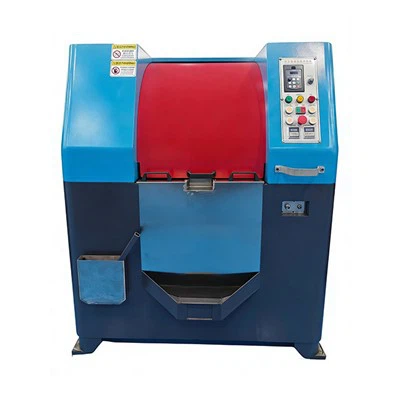
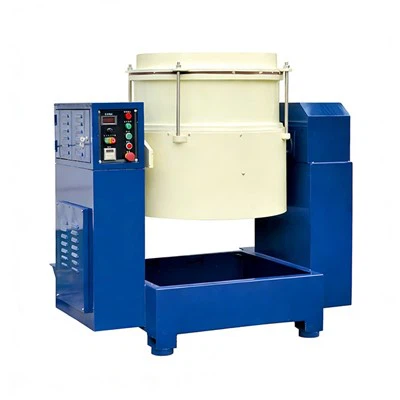
In the jewelry industry, Magnetic Tumbler Jewelry Polisher is widely used. Jewelry pieces often require a high - level of polish, and the polishing speed is crucial to meet the market demand. With the right settings and suitable polishing media, these machines can quickly transform rough - cut jewelry into shiny and smooth finished products.
In the manufacturing industry, Magnetic Deburring Polishing Machine is used to remove burrs from metal parts. The ability to quickly and efficiently deburr parts is essential for maintaining production efficiency. By adjusting the machine settings and using appropriate magnetic pins, manufacturers can achieve a high - speed deburring process.
The Magnetic Tumbler Polishing Machine is also commonly used in the electronics industry. Electronic components often have small and delicate parts that require precise polishing. The high - speed and high - precision polishing capabilities of these machines make them ideal for this application.
Optimizing Polishing Speed
To optimize the polishing speed of a magnetic polishing machine, here are some practical tips:
- Select the Right Workpiece and Media Combination: Choose the appropriate magnetic pins according to the material and shape of the workpiece. For example, for soft materials, use softer magnetic pins to avoid over - polishing.
- Adjust Machine Settings: Experiment with different rotation speeds and polishing durations to find the optimal settings for each type of workpiece. Monitor the surface finish during the polishing process and make adjustments as needed.
- Maintain the Machine: Regularly clean the machine and replace worn - out magnetic pins. A well - maintained machine can operate more efficiently and ensure a consistent polishing speed.
Conclusion
The polishing speed of a magnetic polishing machine is influenced by multiple factors, including workpiece material, shape and size, magnetic field strength, polishing media, and machine settings. By understanding these factors and optimizing the polishing process, users can achieve high - speed and high - quality polishing results.
If you are interested in our magnetic polishing machines and want to discuss how they can meet your specific needs, we welcome you to contact us for further procurement negotiations. We are committed to providing you with the best solutions and high - quality products.
References
- Smith, J. (2020). Magnetic Polishing Technology: Principles and Applications. Journal of Manufacturing Science, 15(2), 123 - 135.
- Johnson, A. (2021). Optimizing Polishing Processes in the Jewelry Industry. International Journal of Jewelry Design, 8(3), 78 - 85.
- Brown, C. (2019). Deburring and Polishing Techniques for Industrial Parts. Manufacturing Engineering Review, 22(4), 90 - 98.