Hey there! As a supplier of dewatering drying machines, I often get asked about how these machines handle fine - powder materials. It's a great question, and today I'm gonna break it down for you.
First off, let's understand the challenges that come with fine - powder materials. Fine powders have a large surface - area - to - volume ratio. This means they can hold a significant amount of moisture, and it's not always easy to get that moisture out. Also, fine powders can be quite light and easily dispersed, which makes handling them during the dewatering and drying process a bit tricky.
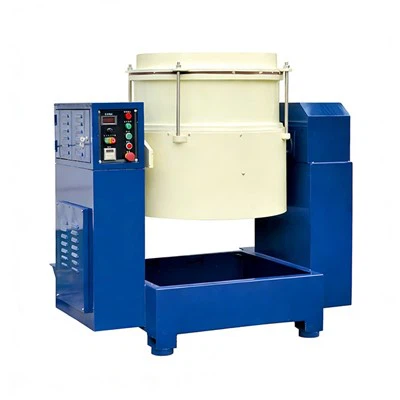
One of the most common types of dewatering drying machines we offer is the Centrifugal Dewatering Machine. This machine uses centrifugal force to separate the liquid from the fine - powder materials. When the machine spins at high speeds, the liquid is forced to the outer edge of the drum, while the powder remains in the center. It's like when you spin a wet cloth in your hands, and the water flies out.


The process starts by loading the fine - powder material into the drum of the centrifugal dewatering machine. Once the machine is turned on, it begins to rotate. The centrifugal force generated is so strong that it can quickly remove a large portion of the moisture from the powder. However, it's important to note that this method might not remove all the moisture. There could still be some residual moisture left in the powder.
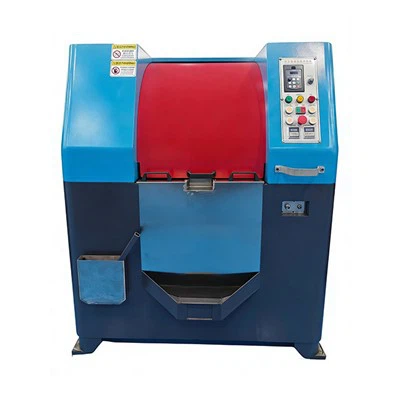
Another type of machine we have is the Industrial Dewatering Drying Machine. This machine combines dewatering and drying functions in one unit. After the initial dewatering process, which could be similar to what the centrifugal dewatering machine does, the machine uses heat to dry the fine - powder materials further.
The heat source in the industrial dewatering drying machine can be either electric or gas - based. The heat helps to evaporate the remaining moisture in the powder. The machine is designed in such a way that the powder is evenly exposed to the heat, ensuring uniform drying. This is crucial because if the powder is not dried evenly, some parts might still be wet, which can lead to clumping and other issues during storage or further processing.
Now, let's talk about the Industrial Parts Dewatering Equipment. This equipment is specifically designed for dewatering and drying industrial parts, but it can also be used for fine - powder materials in some cases. It often uses a combination of mechanical and thermal methods.
For example, it might use a conveyor system to move the fine - powder materials through different stages of the dewatering and drying process. In the first stage, mechanical squeezing or vibration can be used to remove a large amount of water. Then, in the later stages, heat is applied to dry the powder completely.
One of the key factors in handling fine - powder materials is the control of the process. We need to make sure that the speed of the machine, the temperature, and the duration of the dewatering and drying process are all set correctly. If the speed is too high in the centrifugal dewatering machine, it might cause the fine powder to be ejected from the drum. On the other hand, if the temperature in the drying process is too high, it could damage the powder or change its properties.
We also need to consider the material of the machine parts that come into contact with the fine - powder materials. For example, the drum of the dewatering machine should be made of a material that is resistant to corrosion and abrasion. This is because fine powders can be quite abrasive, and if the drum is not made of the right material, it can wear out quickly.
In addition, the design of the machine should prevent the fine powder from clogging the machine. Fine powders can easily get stuck in small openings or pipes, which can disrupt the dewatering and drying process. That's why our machines are designed with large - diameter pipes and easy - to - clean components.
Another important aspect is the safety of the operation. Fine - powder materials can be flammable or explosive in some cases. So, our machines are equipped with safety features such as explosion - proof motors and ventilation systems to prevent any potential hazards.
When it comes to choosing the right dewatering drying machine for fine - powder materials, it depends on several factors. The type of powder, the amount of moisture it contains, and the required final moisture content are all important considerations. For example, if the powder is very fine and has a high moisture content, a combination of centrifugal dewatering and thermal drying might be the best option.
If you're in the market for a dewatering drying machine to handle fine - powder materials, we're here to help. Our team of experts can assess your specific needs and recommend the most suitable machine for your application. We have a wide range of machines with different capacities and features to meet the diverse needs of our customers.
Whether you're a small - scale operation or a large industrial facility, we can provide you with the right solution. We also offer after - sales service and support to ensure that your machine operates smoothly and efficiently.
So, if you're interested in learning more about our dewatering drying machines or have any questions about how they handle fine - powder materials, don't hesitate to reach out. We're always happy to have a chat and help you find the best solution for your business.
References:
- General knowledge of dewatering and drying technologies in industrial applications.
- In - house research and development data on dewatering drying machines for fine - powder materials.