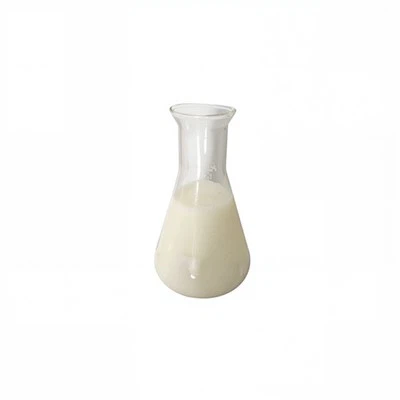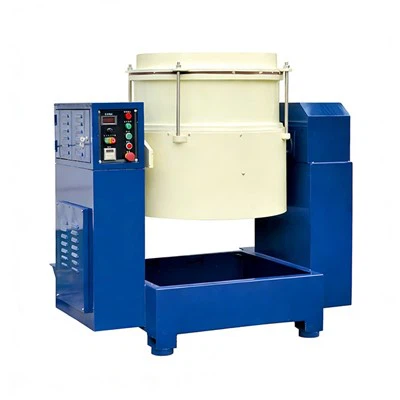
When it comes to using abrasive compounds, one of the most crucial factors to consider is the recommended pressure. As a leading supplier of abrasive compounds, we understand the significance of getting this right. In this blog, we'll delve into the concept of the recommended pressure when using abrasive compounds, exploring why it matters, how it varies depending on different scenarios, and how you can optimize it for the best results.
Why Pressure Matters in Using Abrasive Compounds
Abrasive compounds are designed to remove material, smooth surfaces, and enhance the finish of various objects. The pressure applied during the process plays a pivotal role in determining the effectiveness and efficiency of the abrasive compound. Too little pressure, and the compound may not be able to achieve the desired level of abrasion, resulting in a sub - optimal finish. On the other hand, excessive pressure can lead to over - abrasion, damage to the workpiece, and even premature wear of the abrasive compound itself.
For instance, in the case of polishing a delicate surface like a magnesium alloy, the right pressure is essential to avoid scratching or marring the material. Using the Magnesium Alloy Grinding Agent, if the pressure is too high, it can cause micro - scratches on the magnesium alloy surface, which will affect its appearance and performance.
Factors Affecting the Recommended Pressure
Type of Abrasive Compound
Different abrasive compounds have different hardness and abrasiveness. Coarser abrasive compounds generally require less pressure because they can remove material more quickly. For example, a heavy - duty abrasive compound used for initial rough grinding may need only a moderate amount of pressure to start removing large amounts of material. In contrast, a fine - grade polishing compound requires a lighter touch and more even pressure to achieve a high - gloss finish.
Material of the Workpiece
The material of the workpiece is another significant factor. Softer materials, such as plastics or aluminum, require less pressure to avoid damage. Harder materials like steel or titanium can withstand more pressure during the abrasion process. When using an Auto Parts Brightening Agent on auto parts made of different metals, the pressure needs to be adjusted accordingly. For aluminum auto parts, a gentle pressure is sufficient to brighten the surface without causing deformation, while for steel parts, a bit more pressure can be applied to achieve a better shine.
Surface Area and Shape
The surface area and shape of the workpiece also influence the recommended pressure. Larger surface areas may require more consistent pressure distribution to ensure an even finish. Irregularly shaped objects may need more careful pressure application in different areas to avoid uneven abrasion. For example, when polishing a complex - shaped auto part, you need to adjust the pressure based on the curvature and size of different parts of the object.
Determining the Recommended Pressure
Manufacturer's Guidelines
The first step in determining the recommended pressure is to refer to the manufacturer's guidelines. As an abrasive compound supplier, we provide detailed instructions on the proper use of our products, including the recommended pressure range. These guidelines are based on extensive testing and research to ensure optimal performance.
Trial and Error
In some cases, especially when dealing with unique workpieces or specific requirements, trial and error may be necessary. Start with a relatively low pressure and gradually increase it while observing the results. This way, you can find the sweet spot that provides the best balance between material removal and surface finish.
Professional Advice
Seeking advice from professionals in the field can also be helpful. Experienced machinists, polishers, or technicians can share their practical knowledge and insights on the appropriate pressure for different applications.


Optimizing Pressure for Different Applications
Polishing
In polishing applications, the goal is to achieve a smooth, high - gloss finish. For this, a light to moderate pressure is usually recommended. Start with a light pressure and gradually increase it as needed. Using a fine - grade abrasive compound, such as the ones we offer, you can achieve excellent results with the right pressure. For example, when polishing jewelry, a gentle and consistent pressure is applied to bring out the shine without damaging the delicate pieces.
Grinding
Grinding involves removing a significant amount of material. Coarser abrasive compounds are used, and a moderate to high pressure may be required. However, it's important to monitor the process closely to avoid over - grinding. When using an abrasive compound for grinding metal parts, the pressure should be adjusted based on the hardness of the metal and the desired amount of material removal.
Cleaning and Dewaxing
When using an Ultrasonic Cleaning Agent, the pressure requirements are different. In ultrasonic cleaning, the pressure is mainly exerted by the ultrasonic waves, and the abrasive compound is used to enhance the cleaning effect. A light pressure may be applied during the initial application of the compound to ensure good contact with the surface, but the main cleaning action comes from the ultrasonic energy.
Tips for Applying the Right Pressure
Use the Right Tools
Using the appropriate tools can help in applying the right pressure. For example, a polishing pad or a grinding wheel with the right hardness and texture can distribute the pressure evenly. Make sure the tools are in good condition and properly maintained.
Maintain a Steady Hand
When applying the abrasive compound, it's important to maintain a steady hand. This helps in applying consistent pressure across the surface. Avoid sudden movements or jerks that can cause uneven pressure distribution.
Monitor the Process
Regularly monitor the progress of the abrasion process. Check the surface finish and the amount of material removed. If you notice any signs of over - abrasion or unevenness, adjust the pressure accordingly.
Conclusion
The recommended pressure when using abrasive compounds is a critical factor that can significantly impact the quality of the final result. By understanding the factors that affect the recommended pressure, following the manufacturer's guidelines, and using the right techniques, you can achieve optimal results in your abrasion and polishing applications.
If you're in the market for high - quality abrasive compounds and need more information on the recommended pressure for specific applications, we're here to help. Our team of experts can provide you with detailed guidance and support. Contact us to discuss your procurement needs and explore how our abrasive compounds can meet your requirements.
References
- Smith, J. (2018). Abrasive Technology Handbook. Publisher: Industrial Press.
- Johnson, R. (2020). Surface Finishing with Abrasive Compounds. Journal of Manufacturing Processes, 35, 123 - 135.