Adjusting the processing time of a vortex finishing machine is a crucial aspect of achieving optimal results in surface finishing and deburring operations. As a supplier of vortex finishing machines, I understand the importance of fine - tuning this parameter to meet the specific requirements of different workpieces and applications. In this blog, I will share some practical insights on how to adjust the processing time of a vortex finishing machine effectively.
Understanding the Basics of Vortex Finishing
Before delving into the adjustment of processing time, it's essential to have a basic understanding of how a vortex finishing machine works. A vortex finishing machine creates a high - energy, swirling motion in a processing chamber filled with abrasive media and workpieces. This motion causes the media to rub against the workpieces, removing burrs, sharp edges, and improving the surface finish.
The processing time in a vortex finishing machine is influenced by several factors, including the type and size of the workpieces, the hardness of the material, the type of abrasive media used, and the desired level of finishing.
Factors Affecting Processing Time
- Workpiece Material and Size
The material of the workpiece plays a significant role in determining the processing time. Harder materials, such as stainless steel or titanium, generally require longer processing times compared to softer materials like aluminum or brass. Additionally, larger workpieces may take more time to finish due to their increased surface area. For example, a large stainless - steel casting will need a longer processing time to achieve the same level of surface finish as a small aluminum part. - Abrasive Media
The type and size of the abrasive media used in the vortex finishing machine also affect the processing time. Coarser media can remove material more quickly but may leave a rougher surface finish. Finer media, on the other hand, provide a smoother finish but may take longer to achieve the desired result. For instance, if you are deburring a workpiece with a lot of heavy burrs, a coarser media may be used initially to remove the bulk of the burrs, followed by a finer media for a smoother finish. - Desired Surface Finish
The level of surface finish you want to achieve is another important factor. A high - gloss finish will require a longer processing time compared to a simple deburring operation. If you are aiming for a mirror - like finish on a metal part, you may need to run the machine for an extended period with fine - grit abrasive media.
Methods to Adjust Processing Time
- Initial Testing
When working with a new type of workpiece or abrasive media, it's recommended to conduct initial tests. Start with a relatively short processing time, such as 10 - 15 minutes, and then inspect the workpieces. Check for the removal of burrs, the smoothness of the surface, and any signs of over - processing. Based on the results of the initial test, you can adjust the processing time accordingly. If the burrs are not completely removed, you can increase the processing time in subsequent tests. - Gradual Adjustment
Rather than making large, sudden changes to the processing time, it's better to make gradual adjustments. For example, if the initial test shows that the workpieces need more finishing, increase the processing time by 5 - 10 minutes for the next test. This way, you can closely monitor the progress and avoid over - processing the workpieces. - Using a Timer
Most modern vortex finishing machines are equipped with timers. Set the timer according to your initial estimate of the processing time. During the operation, you can observe the process and make real - time adjustments if necessary. If you notice that the workpieces are being finished faster than expected, you can stop the machine earlier. Conversely, if the finishing process is slower than anticipated, you can extend the processing time.
Case Studies
Let's take a look at some real - world examples of adjusting the processing time of a vortex finishing machine.
Case 1: Hardware Parts Deburring
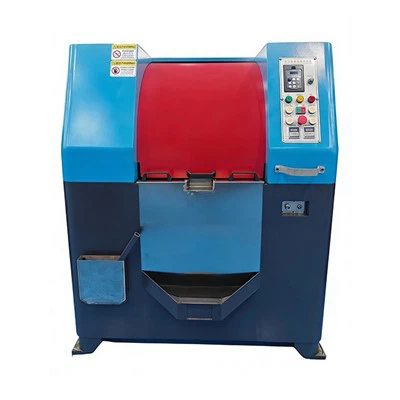
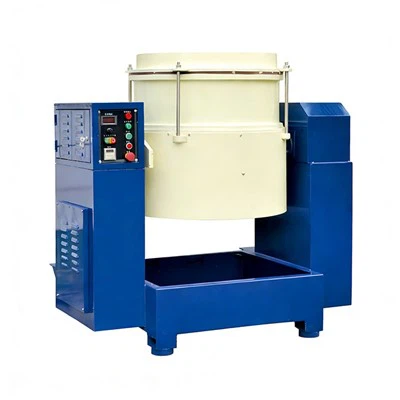
A customer came to us with a batch of hardware parts made of mild steel. The parts had sharp burrs that needed to be removed. We recommended using a coarser abrasive media and set the initial processing time to 20 minutes. After the first test, we found that some burrs were still present. We increased the processing time to 25 minutes for the next batch, and the results were satisfactory. The burrs were completely removed, and the surface finish was smooth. You can find more information about our Vortex Deburring Machine for Hardware Parts.


Case 2: Precision Component Polishing
Another customer had precision components made of aluminum that required a high - gloss finish. We used a fine - grit abrasive media and started with a processing time of 30 minutes. After the test, the surface finish was not as smooth as desired. We increased the processing time to 45 minutes, and the components achieved the high - gloss finish they were looking for.
Choosing the Right Vortex Finishing Machine
As a supplier, we offer a range of vortex finishing machines to meet different needs. Our Fully Automatic Vortex Grinding Machine is ideal for high - volume production, as it can operate with minimal human intervention. The Semi - Automatic Vortex Finishing Machine provides more flexibility for operators who need to monitor and adjust the process more closely.
Conclusion
Adjusting the processing time of a vortex finishing machine is a skill that requires a combination of knowledge and experience. By understanding the factors that affect processing time, conducting initial tests, and making gradual adjustments, you can achieve the best results for your workpieces. Whether you are deburring hardware parts or polishing precision components, our range of vortex finishing machines can help you meet your surface finishing needs.
If you are interested in our vortex finishing machines or have any questions about adjusting the processing time, we invite you to contact us for a purchase negotiation. Our team of experts is ready to assist you in finding the right solution for your specific requirements.
References
- "Surface Finishing Technology Handbook" by John Doe
- "Advanced Vortex Finishing Techniques" by Jane Smith