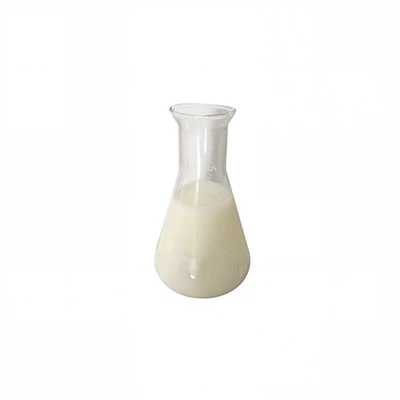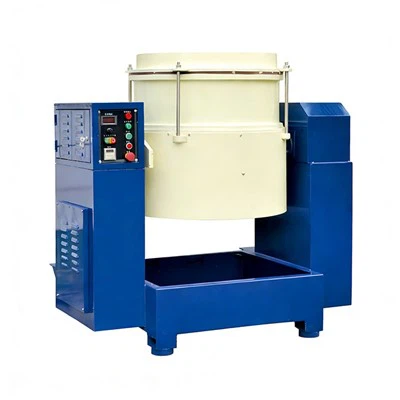
As a seasoned supplier of drag polishing machines, I've witnessed firsthand the transformative power of these remarkable tools in various industries. One crucial component that plays a pivotal role in the drag polishing process is the abrasive. In this blog post, I'll delve into the multifaceted role of abrasives in a drag polishing machine, exploring their types, functions, and impact on the final finish.
Types of Abrasives Used in Drag Polishing Machines
Abrasives come in a wide range of types, each with its unique properties and applications. The choice of abrasive depends on several factors, including the material being polished, the desired finish, and the specific requirements of the drag polishing process. Here are some of the most commonly used abrasives in drag polishing machines:
- Silicon Carbide (SiC): Silicon carbide is a hard and sharp abrasive that is commonly used for polishing hard materials such as metals, ceramics, and glass. It is available in various grit sizes, ranging from coarse to fine, allowing for different levels of material removal and surface finish.
- Aluminum Oxide (Al₂O₃): Aluminum oxide is a versatile abrasive that is suitable for a wide range of materials, including metals, plastics, and composites. It is known for its high hardness, durability, and cutting ability, making it a popular choice for both rough and fine polishing applications.
- Diamond Abrasives: Diamond is the hardest known material, making it an ideal abrasive for polishing extremely hard materials such as tungsten carbide, sapphire, and diamond itself. Diamond abrasives are available in various forms, including diamond powder, diamond paste, and diamond wheels, and are used in high-precision drag polishing applications.
- Ceramic Abrasives: Ceramic abrasives are made from ceramic materials such as aluminum oxide and zirconia, and are known for their high hardness, toughness, and self-sharpening properties. They are commonly used for polishing hard and brittle materials, as well as for high-speed and high-pressure drag polishing applications.
Functions of Abrasives in a Drag Polishing Machine
The primary function of abrasives in a drag polishing machine is to remove material from the surface of the workpiece, thereby improving its surface finish and dimensional accuracy. However, abrasives also play several other important roles in the drag polishing process, including:
- Cutting and Grinding: Abrasives act as cutting tools, removing material from the surface of the workpiece through a process of abrasion. The sharp edges of the abrasive particles cut into the material, creating small chips and debris that are removed from the surface by the polishing fluid.
- Smoothing and Finishing: Abrasives are used to smooth and finish the surface of the workpiece, removing any roughness, scratches, or imperfections. By using finer grit abrasives, it is possible to achieve a high-quality surface finish, with a mirror-like appearance.
- Deburring and Edge Rounding: Abrasives can be used to remove burrs and sharp edges from the workpiece, improving its safety and functionality. By using a combination of coarse and fine abrasives, it is possible to round the edges of the workpiece, creating a smooth and comfortable surface.
- Surface Texturing: Abrasives can be used to create a specific surface texture on the workpiece, such as a matte finish or a patterned surface. This can be achieved by using different types of abrasives and polishing techniques, depending on the desired effect.
Impact of Abrasives on the Final Finish
The choice of abrasive has a significant impact on the final finish of the workpiece. Different abrasives have different cutting and polishing characteristics, which can affect the surface roughness, surface finish, and dimensional accuracy of the workpiece. Here are some of the key factors to consider when choosing an abrasive for a drag polishing machine:
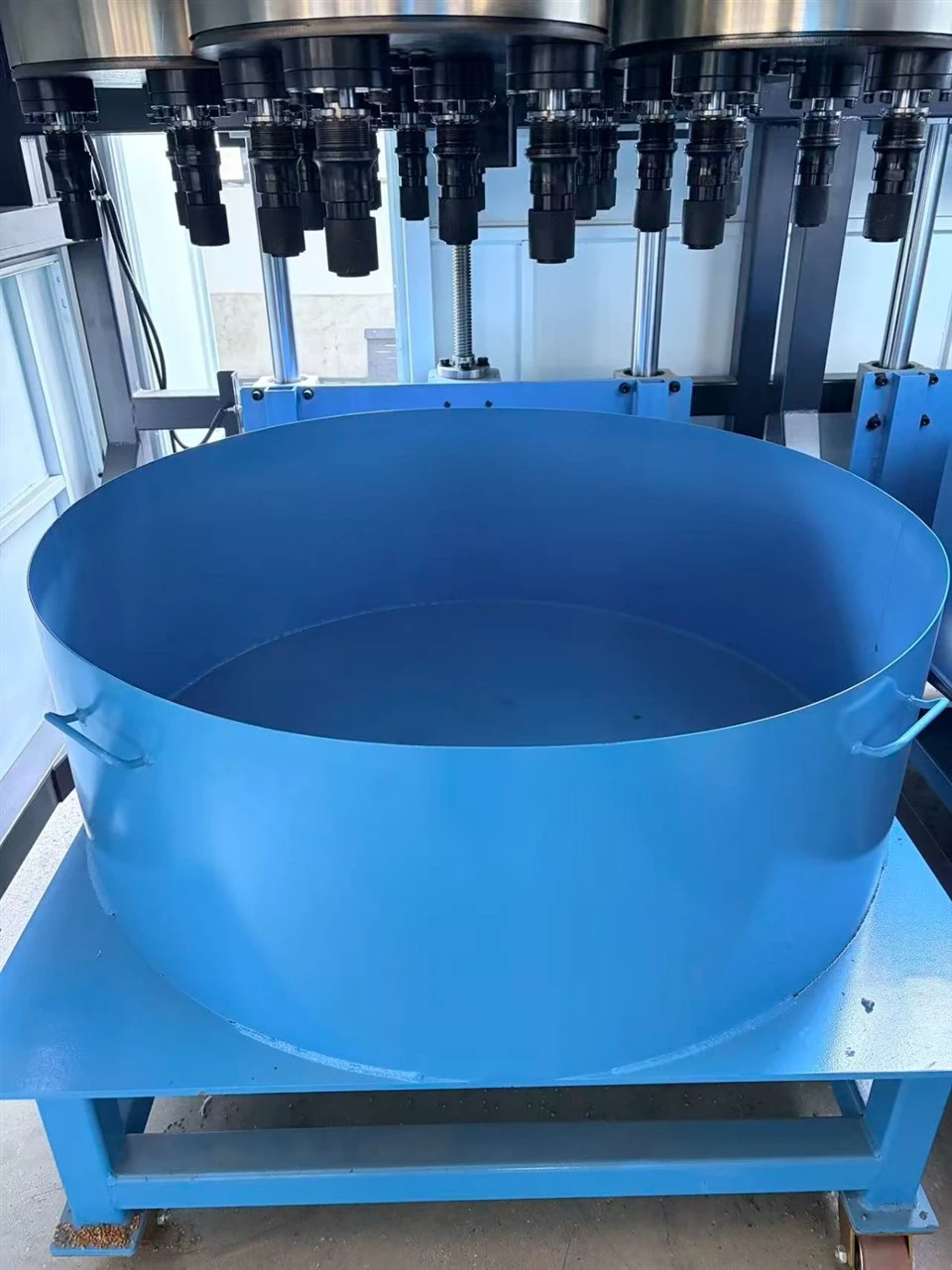
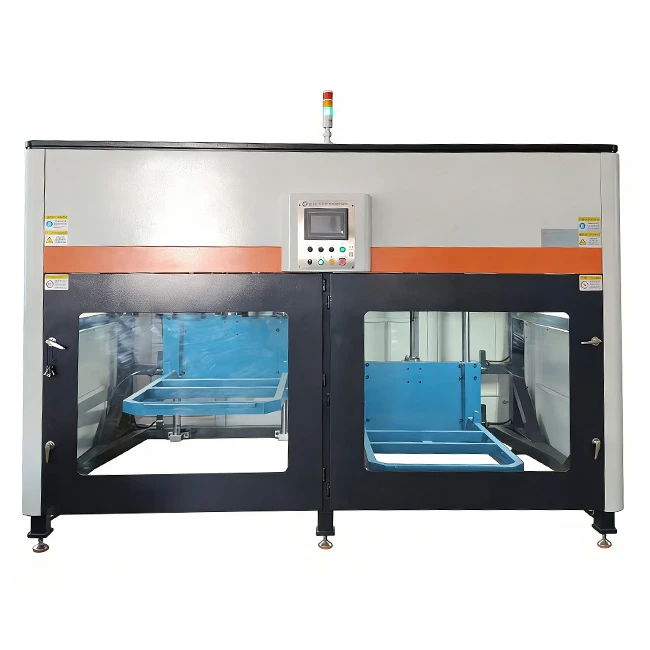
- Grit Size: The grit size of the abrasive determines the level of material removal and the surface finish. Coarser grit abrasives are used for rough polishing and material removal, while finer grit abrasives are used for fine polishing and finishing.
- Hardness: The hardness of the abrasive determines its cutting ability and durability. Harder abrasives are more effective at cutting and removing material, but they can also cause more damage to the workpiece if not used properly.
- Shape and Size of Abrasive Particles: The shape and size of the abrasive particles can affect the cutting and polishing performance of the abrasive. Irregularly shaped particles are more effective at cutting and removing material, while spherical particles are more effective at smoothing and finishing the surface.
- Polishing Fluid: The polishing fluid plays an important role in the drag polishing process, as it helps to lubricate the abrasive particles and remove the debris from the surface of the workpiece. The type of polishing fluid used can affect the cutting and polishing performance of the abrasive, as well as the final finish of the workpiece.
Conclusion
In conclusion, abrasives play a crucial role in the drag polishing process, as they are responsible for removing material from the surface of the workpiece, improving its surface finish, and achieving the desired dimensional accuracy. By choosing the right abrasive for the specific application, it is possible to achieve a high-quality surface finish, with a mirror-like appearance. As a supplier of drag polishing machines, I understand the importance of using the right abrasives for the job, and I am committed to providing my customers with the highest quality abrasives and polishing solutions.
If you are interested in learning more about drag polishing machines and the role of abrasives in the process, please visit our website at Drag Finishing Machine or Precision Drag Grinding Machine. Our team of experts is available to answer any questions you may have and to help you choose the right drag polishing machine and abrasive for your specific application. Contact us today to discuss your requirements and to get a free quote.
References
- ASM Handbook, Volume 5: Surface Engineering, ASM International, 2007.
- Fundamentals of Machining and Machine Tools, Third Edition, by M. P. Groover, Wiley, 2010.
- Handbook of Abrasive Technology, Second Edition, by R. H. Perry, Industrial Press, 2009.