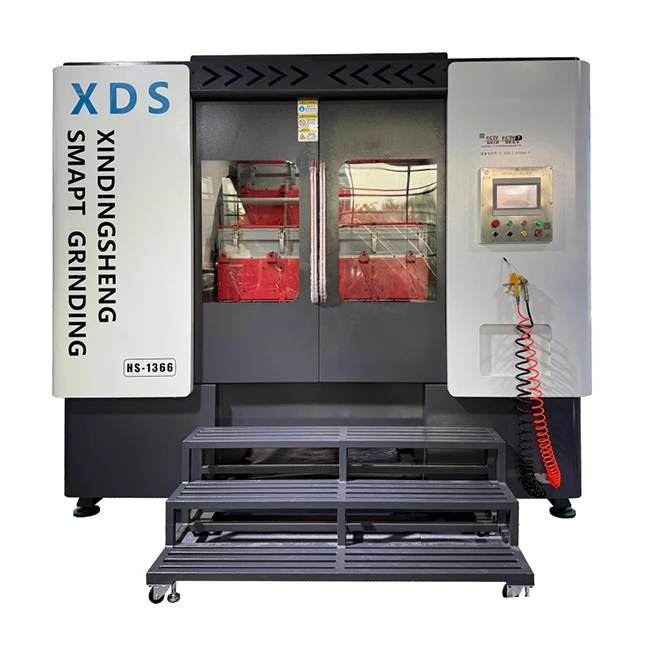
Many manufacturers process different types of metal components and naturally ask whether one finishing machine can handle all of them.
In many cases, one machine can process multiple types of parts, but the finishing process may need to be adjusted for each material and product.
Aluminum, stainless steel, copper, zinc alloy, steel, and other metals have different hardness, surface conditions, and polishing characteristics. Using exactly the same media and processing parameters for every material can lead to inconsistent results.
For example, aluminum may require a gentler process to reduce the risk of scratches, while harder steel components may need stronger abrasive action for efficient deburring.
Workpiece geometry is equally important. Parts with deep holes, narrow gaps, or complex shapes may require different media sizes or even a different finishing technology.
Therefore, machine flexibility does not mean using one fixed process for everything.
A better approach is to select a machine platform with suitable capacity and then develop different media combinations and processing parameters for different product families.
For manufacturers with multiple products, sample testing can help determine whether one machine can meet all requirements or whether dedicated equipment is more efficient.
The final decision should consider production volume, material type, part geometry, surface finish, cycle time, and automation requirements.
A properly configured finishing system can provide both production flexibility and stable finishing quality.