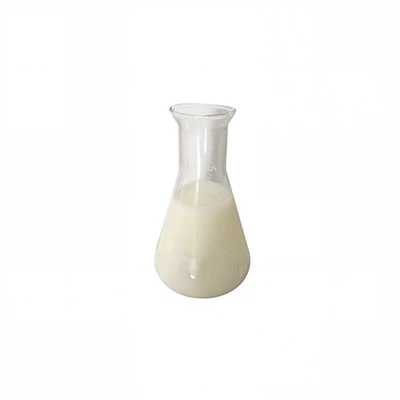
When working with high gloss polishing compounds, one of the most critical factors that often gets overlooked is the temperature at which these compounds are used. As a provider of high gloss polishing compounds, I've seen firsthand how temperature can significantly impact the performance and effectiveness of these products. In this blog, we'll explore the best temperature for using high gloss polishing compounds, the reasons behind it, and how you can optimize your polishing process for the best results.
Understanding the Basics of High Gloss Polishing Compounds
Before delving into the ideal temperature, it's essential to understand what high gloss polishing compounds are and how they work. High gloss polishing compounds are abrasive materials designed to remove minor scratches, imperfections, and oxidation from surfaces, leaving them with a smooth, shiny finish. These compounds come in various forms, including pastes, liquids, and creams, and are used on a wide range of materials, such as metals, plastics, and ceramics.
The effectiveness of a high gloss polishing compound depends on several factors, including the type of abrasive used, the particle size, and the hardness of the material being polished. However, temperature also plays a crucial role in the polishing process.
The Impact of Temperature on High Gloss Polishing Compounds
Temperature affects high gloss polishing compounds in several ways. First, it can influence the viscosity of the compound. Viscosity refers to the thickness or flowability of a liquid. When a polishing compound is too cold, it becomes more viscous, making it difficult to spread evenly on the surface being polished. This can lead to uneven polishing and may require more pressure to achieve the desired results.
On the other hand, when a polishing compound is too hot, it becomes less viscous, which can cause it to run off the surface before it has a chance to work effectively. This can result in wasted product and inconsistent polishing results.
In addition to viscosity, temperature can also affect the chemical reactions that occur during the polishing process. Many high gloss polishing compounds contain chemical agents that help to break down and remove surface contaminants. These chemical reactions are often temperature-dependent, meaning they occur more efficiently within a specific temperature range.
The Best Temperature for Using High Gloss Polishing Compounds
Based on our experience and research, the ideal temperature for using high gloss polishing compounds is between 60°F (15°C) and 80°F (27°C). This temperature range provides the optimal balance between viscosity and chemical reactivity, allowing the polishing compound to work effectively and efficiently.
At temperatures below 60°F (15°C), the polishing compound may become too thick and difficult to spread, resulting in uneven polishing and a less-than-optimal finish. At temperatures above 80°F (27°C), the compound may become too thin and runny, making it difficult to control and potentially leading to over-polishing or damage to the surface.
It's important to note that the ideal temperature may vary depending on the specific type of high gloss polishing compound being used and the material being polished. Some compounds may be designed to work best at slightly higher or lower temperatures, so it's always a good idea to consult the manufacturer's instructions for specific temperature recommendations.
Tips for Maintaining the Ideal Temperature
To ensure that you're using your high gloss polishing compound at the optimal temperature, here are some tips to keep in mind:
- Store the compound at the right temperature: Keep your polishing compound in a cool, dry place away from direct sunlight and extreme temperatures. This will help to maintain its viscosity and chemical stability.
- Warm the compound if necessary: If the temperature is too low, you can warm the polishing compound by placing it in a warm water bath for a few minutes. Be sure to stir the compound thoroughly to ensure that it's evenly heated.
- Cool the compound if necessary: If the temperature is too high, you can cool the polishing compound by placing it in a refrigerator for a short period of time. Again, be sure to stir the compound thoroughly before using it.
- Use a temperature-controlled environment: If possible, perform your polishing work in a temperature-controlled environment to ensure that the temperature remains within the ideal range. This can help to improve the consistency and quality of your polishing results.
The Role of Temperature in Different Polishing Applications
The ideal temperature for using high gloss polishing compounds can also vary depending on the specific application. Here are some examples of how temperature can impact different polishing processes:
- Metal Polishing: When polishing metals, such as aluminum or steel, it's important to maintain a consistent temperature to prevent overheating and damage to the surface. The ideal temperature for metal polishing is typically between 60°F (15°C) and 70°F (21°C). At this temperature, the polishing compound can work effectively to remove scratches and oxidation, leaving the metal with a high gloss finish.
- Plastic Polishing: Plastic materials are more sensitive to temperature changes than metals, so it's important to be careful when using high gloss polishing compounds on plastics. The ideal temperature for plastic polishing is typically between 65°F (18°C) and 75°F (24°C). At this temperature, the polishing compound can help to remove scratches and restore the shine to the plastic surface without causing damage.
- Ceramic Polishing: Ceramic materials are also sensitive to temperature changes, so it's important to use a high gloss polishing compound at the right temperature to avoid cracking or damage. The ideal temperature for ceramic polishing is typically between 70°F (21°C) and 80°F (27°C). At this temperature, the polishing compound can work effectively to remove scratches and restore the gloss to the ceramic surface.
Conclusion
In conclusion, the best temperature for using high gloss polishing compounds is between 60°F (15°C) and 80°F (27°C). This temperature range provides the optimal balance between viscosity and chemical reactivity, allowing the polishing compound to work effectively and efficiently. By maintaining the ideal temperature and following the tips outlined in this blog, you can ensure that you're getting the best results from your high gloss polishing compound.
If you're looking for high quality high gloss polishing compounds, we offer a range of products to meet your needs. Our Eco-Friendly Cutting Fluid is designed to provide a clean, efficient polishing process, while our Aluminum Alloy Grinding Agent and Steel & Iron Brightening Agent are specifically formulated for use on metal surfaces.


If you have any questions or would like to learn more about our high gloss polishing compounds, please don't hesitate to contact us. We're here to help you achieve the best results in your polishing projects.
References
- "Polishing Compounds: A Guide to Choosing the Right One." Industrial Finishing, 2023.
- "The Science of Polishing: How Temperature Affects the Process." Journal of Surface Finishing, 2022.
- "Optimizing the Polishing Process: Temperature Considerations." Manufacturing Today, 2021.