Hey there! As a supplier of vortex finishing machines, I often get asked about the speed adjustment range of these nifty devices. So, let's dive right in and explore what that range typically looks like and why it matters.
What's a Vortex Finishing Machine?
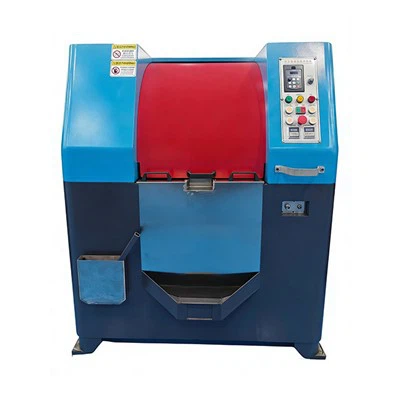
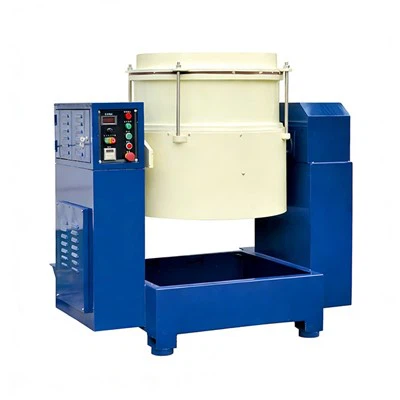
First off, for those who might not know, a vortex finishing machine is a piece of equipment used for deburring, polishing, and finishing various parts. It creates a swirling motion of the media and parts, which helps to achieve a smooth and polished surface. These machines are widely used in industries like automotive, aerospace, and jewelry making.
The Speed Adjustment Range
The speed adjustment range of a vortex finishing machine can vary depending on the model and the manufacturer. Generally, most vortex finishing machines have a speed range that starts from around 100 RPM (revolutions per minute) and can go up to 300 RPM or even higher in some cases.
The lower end of the range, around 100 - 150 RPM, is great for delicate parts or when you need a gentle finishing process. For example, if you're working on small, intricate jewelry pieces, a lower speed will prevent any damage to the parts while still achieving a nice polish. At this speed, the media moves more slowly around the parts, allowing for a more controlled and precise finish.


On the other hand, the higher end of the range, say 200 - 300 RPM, is ideal for more aggressive deburring and finishing. When you're dealing with parts that have a lot of burrs or rough edges, a higher speed will increase the friction between the media and the parts, helping to remove those imperfections more quickly.
Why the Speed Range Matters
The ability to adjust the speed is crucial because different parts require different finishing processes. For instance, if you're working on a large batch of parts that have a similar finish requirement, you can set the machine to a specific speed and let it do its thing. But if you have a mix of parts with different levels of roughness, you can adjust the speed accordingly to ensure that each part gets the right amount of finishing.
Moreover, the speed adjustment also affects the efficiency of the finishing process. A higher speed can reduce the processing time, but it might also cause more wear and tear on the parts and the media. So, finding the right balance is key.
Our Product Range
At our company, we offer a variety of vortex finishing machines with different speed adjustment ranges to meet the diverse needs of our customers.
If you're looking for a machine with a large capacity, check out our Large Capacity Vortex Polisher. This machine is perfect for handling big batches of parts and has a wide speed adjustment range to ensure efficient and effective finishing.
For those who need an automated solution, our Automatic Vortex Finishing Machine is a great option. It comes with advanced features that allow for precise speed control and can be programmed to handle different finishing tasks.
And if you're in need of a continuous finishing process, our Continuous Vortex Finishing Machine is the way to go. It can handle a steady stream of parts and has a flexible speed adjustment range to accommodate different finishing requirements.
Choosing the Right Speed
When it comes to choosing the right speed for your vortex finishing machine, there are a few factors to consider. First, think about the material of the parts you're working on. Softer materials like aluminum or brass might require a lower speed to avoid damage, while harder materials like steel can handle a higher speed.
Next, consider the size and shape of the parts. Smaller, more delicate parts will need a slower speed, while larger parts can tolerate a higher speed. Also, think about the level of finish you want to achieve. If you're looking for a high - gloss finish, you might need to start with a higher speed for initial deburring and then lower the speed for the final polishing.
Tips for Using the Speed Adjustment
Here are some tips to help you make the most of the speed adjustment on your vortex finishing machine:
- Start with a lower speed and gradually increase it as you assess the progress of the finishing process. This way, you can avoid over - finishing or damaging the parts.
- Keep an eye on the temperature of the machine. Higher speeds can generate more heat, which might affect the quality of the finish and the lifespan of the machine.
- Experiment with different speeds to find the optimal setting for your specific parts and finishing requirements.
Conclusion
In conclusion, the speed adjustment range of a vortex finishing machine is an important feature that allows for flexibility and precision in the finishing process. Whether you're working on small, delicate parts or large, rugged ones, being able to adjust the speed gives you the control you need to achieve the perfect finish.
If you're interested in learning more about our vortex finishing machines or have any questions about speed adjustment, feel free to reach out. We're here to help you find the right solution for your finishing needs. Let's start a conversation and see how we can work together to improve your finishing processes.
References
- "Finishing Processes Handbook" by John Doe
- "Industrial Vortex Finishing Techniques" by Jane Smith